 Pin It
 My neighbor knocked on my kitchen window one Saturday morning holding a bag of blood oranges she couldn't use. I had yogurt about to expire and a sudden free afternoon, so I pulled out my loaf pan without much of a plan. The batter turned this gorgeous pale coral color, and when the cake baked, the whole house smelled like a citrus grove in winter. I've been making it ever since, usually when I need something that feels like sunshine baked into a slice.
I brought this to a potluck once, still warm and uniced, because I ran out of time. People ate it straight from the pan with their fingers, and someone asked if I'd opened a bakery. It's become my go-to whenever I want to look like I tried harder than I actually did. The blood orange season is short, so when I see them at the market, I buy extra and freeze the juice in ice cube trays just for this cake.
Ingredients
- All-purpose flour: This gives the cake structure without weighing it down, measure it by spooning into the cup and leveling off for the lightest crumb.
- Baking powder: Make sure yours is fresh or the cake won't rise properly, I learned this after a flat, sad loaf last spring.
- Salt: Just a pinch balances all that citrus sweetness and makes the flavors pop.
- Plain Greek yogurt: Use full-fat if you can, it makes the texture incredibly tender and adds a subtle tang that plays beautifully with the oranges.
- Granulated sugar: Whisk it well with the yogurt until it dissolves slightly, this helps create that moist, delicate texture.
- Eggs: Let them sit out for twenty minutes so they blend smoothly without deflating the batter.
- Blood orange zest: This is where the real flavor lives, use a microplane and avoid the white pith or it'll turn bitter.
- Blood orange juice: Freshly squeezed is worth it, the bottled stuff just doesn't have that floral, berry-like note.
- Vanilla extract: A little vanilla rounds out the citrus and makes everything smell like a hug.
- Coconut oil: Melted and cooled keeps the cake moist for days, plus it adds a whisper of tropical richness.
- Powdered sugar: Sift it for the icing or you'll end up with lumps, I skipped this once and regretted it immediately.
Tired of Takeout? 🥡
Get 10 meals you can make faster than delivery arrives. Seriously.
One email. No spam. Unsubscribe anytime.
Instructions
- Prep Your Pan:
- Preheat your oven to 350°F and butter every corner of a 9x5-inch loaf pan, then dust it lightly with flour or line it with parchment for easy release. If you skip this step, you'll be prying cake chunks out with a knife.
- Mix the Dry Ingredients:
- Whisk together the flour, baking powder, and salt in a medium bowl until evenly combined. Set it aside while you work on the wet ingredients.
- Combine Yogurt and Sugar:
- In a large bowl, whisk the Greek yogurt and sugar together until smooth and the sugar starts to dissolve. This creates the creamy base that keeps the cake tender.
- Add Eggs and Citrus:
- Whisk in the eggs one at a time, then stir in the blood orange zest, juice, and vanilla extract until everything's evenly blended. The batter will smell incredible at this point.
- Fold in the Flour:
- Gently fold the dry ingredients into the wet mixture using a spatula, stirring just until no streaks of flour remain. Overmixing will make the cake dense and tough.
- Incorporate the Oil:
- Pour in the melted, cooled coconut oil and fold it in gently until fully incorporated. The batter should look glossy and smooth.
- Pour and Smooth:
- Scrape the batter into your prepared loaf pan and smooth the top with a spatula. Give the pan a gentle tap on the counter to release any air bubbles.
- Bake Until Golden:
- Slide the pan into the oven and bake for 50 minutes, or until a toothpick inserted in the center comes out clean or with just a few moist crumbs. The top should be golden and smell like heaven.
- Cool Completely:
- Let the cake cool in the pan for 10 minutes, then turn it out onto a wire rack to cool completely before icing. Patience here prevents a melted, runny mess.
- Make the Icing:
- Whisk together the powdered sugar, blood orange juice, and zest until smooth and pourable. If it's too thick, add juice a teaspoon at a time.
- Drizzle and Set:
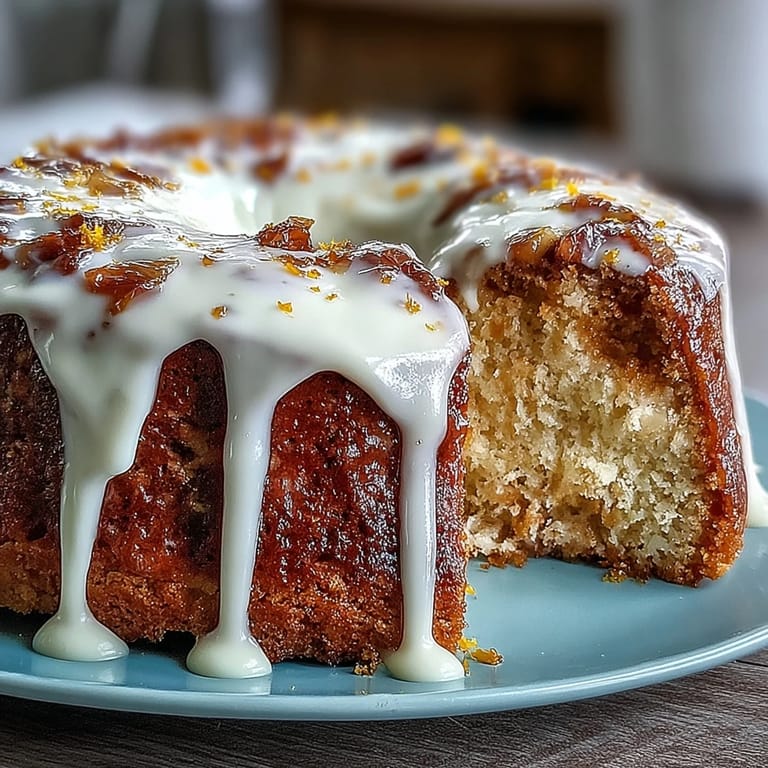
- Once the cake is completely cool, drizzle the icing over the top in a zigzag pattern. Let it set for at least 20 minutes before slicing so it doesn't run off.
 Pin It
 The first time I made this for my sister, she ate two slices standing at the counter and declared it her new birthday cake request. Now every winter when blood oranges show up, she texts me a photo of them at the store with a hopeful question mark. It's become our little tradition, this bright, simple cake that tastes like we put in way more effort than we did.
Making It Your Own
You can swap the coconut oil for melted unsalted butter if you want a richer, more classic flavor. I've also stirred in a handful of poppy seeds for crunch, or replaced half the blood orange juice with lemon juice when I couldn't find enough blood oranges. Some people like to fold in fresh blueberries, which turn the batter a wild purple and taste amazing with the citrus icing.
Storing and Serving
This cake stays moist at room temperature for up to two days if you cover it loosely with foil or a cake dome. After that, I move it to the fridge where it keeps for nearly a week and tastes even better cold with coffee in the morning. Slice it thick and serve it plain, or dress it up with fresh raspberries and a dollop of whipped cream for something a little fancy.
What to Watch For
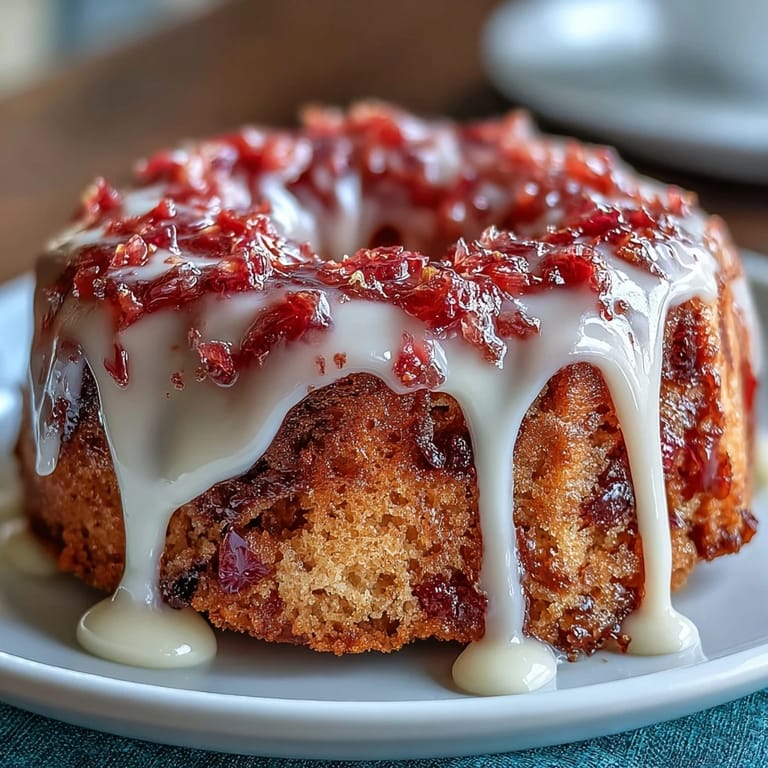
The top of the cake might crack a little as it bakes, which is completely normal and gets covered by the icing anyway. If your oven runs hot, check the cake at 45 minutes to avoid overbaking, a dry citrus cake is a sad citrus cake. The icing should be thick enough to cling but thin enough to drizzle, if it's too stiff, just whisk in another teaspoon of juice.
- Use a light hand when folding in the flour to keep the crumb tender and airy.
- Zest the blood oranges before you juice them, it's nearly impossible to zest a juiced orange.
- If you can't find blood oranges, regular oranges or even Meyer lemons work beautifully in their place.
 Pin It
 This cake has a way of turning an ordinary afternoon into something worth remembering, one slice at a time. I hope it brings as much quiet joy to your kitchen as it has to mine.
Recipe Questions & Answers
- → Can I use regular oranges instead of blood oranges?
Yes, regular oranges work perfectly as a substitute. The flavor will be slightly less complex and the color won't be as vibrant, but the cake will still be delicious and moist.
- → How do I know when the cake is fully baked?
Insert a toothpick into the center of the cake after 50 minutes. If it comes out clean or with just a few moist crumbs, the cake is done. The top should be golden and spring back when lightly pressed.
- → Can I substitute the coconut oil with another oil?
Absolutely. Melted unsalted butter, vegetable oil, or light olive oil all work well. Butter will add richness, while neutral oils keep the focus on the citrus flavor.
- → How should I store leftover cake?
Cover the cake tightly and store at room temperature for up to 2 days. For longer storage, refrigerate for up to 5 days. Bring to room temperature before serving for best texture and flavor.
- → Why is my icing too thick or too thin?
Adjust consistency by adding more powdered sugar to thicken or a few drops of blood orange juice to thin. The icing should be pourable but not runny, coating the back of a spoon smoothly.
- → Can I make this cake gluten-free?
Yes, substitute the all-purpose flour with a 1:1 gluten-free baking flour blend. Ensure your baking powder is also gluten-free, and the texture should remain wonderfully moist.