 Pin It
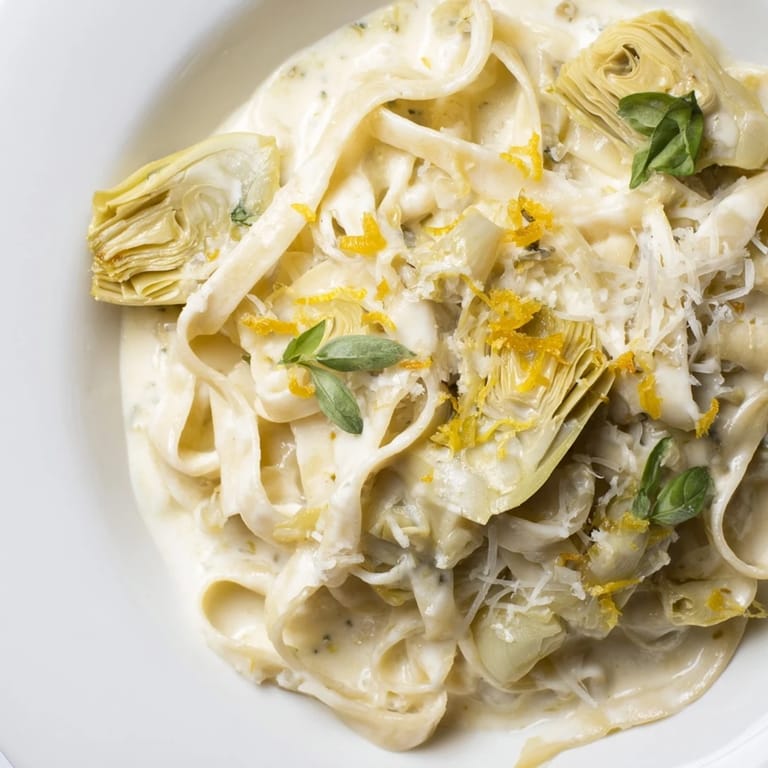
 There's something about lemon that makes you want to cook with your windows open. I discovered this pasta on a Tuesday afternoon when I had a can of artichokes sitting in my pantry and a half lemon on the counter that needed rescuing. What started as improvisation became the dish I keep making whenever I want something that tastes both elegant and effortless, like I've done something special without the fuss.
I made this for my sister once when she arrived exhausted from work, and watching her face as that first forkful hit—the way she closed her eyes—told me I'd picked the right dish. It's become our unspoken tradition now whenever we both need a moment that tastes like the Tuscan coast but takes place in an ordinary kitchen.
Ingredients
- Fettuccine or linguine (350 g / 12 oz): The ribbon shape catches the cream sauce perfectly, though any pasta you love works here.
- Artichoke hearts (1 can, 400 g / 14 oz), drained and quartered: Canned artichokes are your secret weapon—they're already tender and save you from the fresh prep marathon.
- Baby spinach (2 cups, optional): Adds color and earthiness, but honestly, it's not mandatory if you're keeping things simple.
- Garlic (2 cloves, minced) and shallot (1 small, finely chopped): These two are your flavor foundation—don't skip the sautéing or you'll miss that sweet, mellowed note.
- Lemon zest and juice (1 lemon): Use a microplane if you have one; it makes the zest feathery and bright instead of chunky.
- Heavy cream (200 ml / 3/4 cup + 2 tbsp): This becomes silky and luxurious without needing to reduce it for hours.
- Parmesan cheese (60 g / 1/2 cup, grated): Fresh grating matters; pre-grated versions have anti-caking agents that dull the flavor slightly.
- Unsalted butter (2 tbsp): Paired with olive oil, it builds a richer base for the aromatics.
- Extra-virgin olive oil (2 tbsp): Good quality shows here since there's nowhere to hide it.
- Salt (1/2 tsp) and black pepper (1/4 tsp): Adjust at the end when you taste; lemon juice makes you think you need less salt than you actually do.
- Red pepper flakes (1/4 tsp, optional): A gentle whisper of heat that doesn't overpower but makes everything taste more intentional.
- Fresh basil or parsley for garnish: This is the final touch that says you actually care—don't skip it even if you're cooking alone.
Tired of Takeout? 🥡
Get 10 meals you can make faster than delivery arrives. Seriously.
One email. No spam. Unsubscribe anytime.
Instructions
- Set up your pasta water:
- Fill a large pot with water, add a generous pinch of salt, and bring to a rolling boil. The water should taste like the sea—this is your only seasoning chance for the pasta itself.
- Cook the pasta to al dente:
- Add your pasta and stir it once in the first minute so it doesn't stick. Set a timer for a minute less than the package says; you're aiming for that tender but still slightly firm bite.
- Start the aromatic base:
- In a large skillet, melt butter with olive oil over medium heat. Once the butter foams, add your minced garlic and chopped shallot, stirring constantly for about two minutes until the kitchen smells like comfort.
- Sauté the artichokes:
- Spread the drained artichoke quarters across the pan and let them sit undisturbed for a minute or two before stirring. You want the edges to turn golden and tender, which takes about three minutes total.
- Layer in the lemon and greens:
- Sprinkle the lemon zest over everything, then add the spinach if you're using it. Stir gently until the spinach collapses into the sauce, which happens faster than you'd expect.
- Build the cream sauce:
- Pour in the heavy cream slowly while stirring. Bring it to a gentle simmer, then reduce the heat and let it bubble softly for a minute before adding the Parmesan.
- Season and finish:
- Stir in the Parmesan until it melts completely, then add the lemon juice, salt, pepper, and red pepper flakes if you want that subtle heat. Taste and adjust—lemon juice is forgiving.
- Bring it together:
- Reserve half a cup of pasta water before draining, then add the hot pasta directly to the sauce. Toss gently, adding pasta water a splash at a time until the sauce clings to each strand without pooling.
- Plate and garnish:
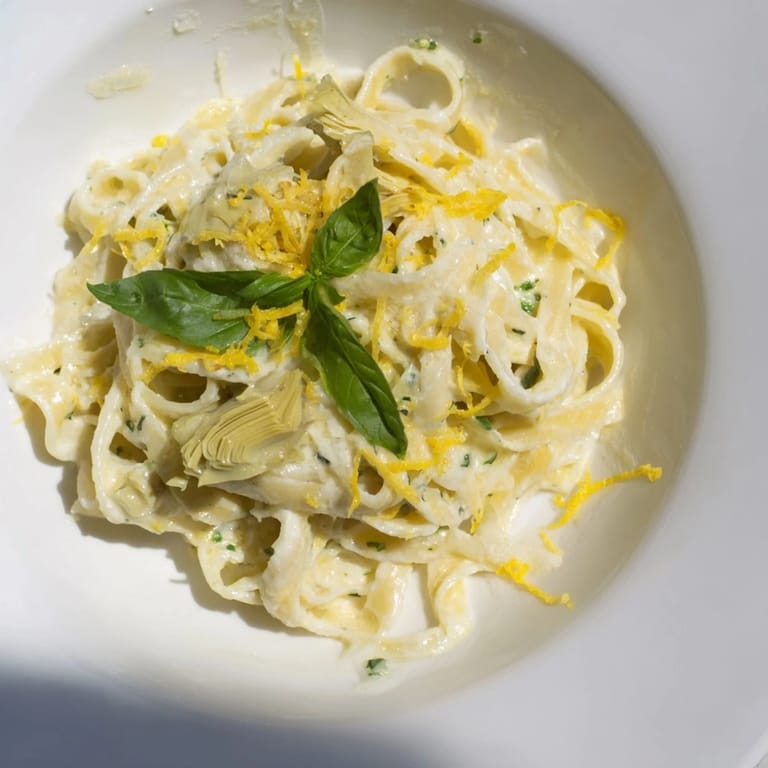
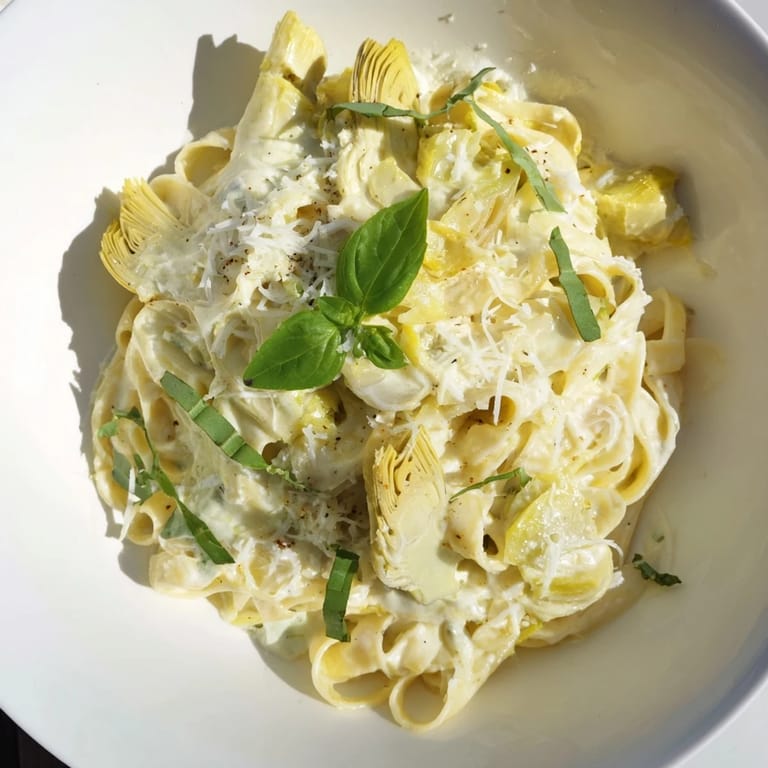
- Divide among bowls and finish with fresh basil or parsley and an extra shower of Parmesan. Serve immediately while everything is still hot and the sauce is at its silkiest.
 Pin It
 The first time a friend told me this pasta reminded her of a restaurant in Rome, I realized it wasn't fancy ingredients doing the work—it was care in the sequencing and knowing exactly when to add what. That's when this dish stopped being just a recipe and became proof that simple, thoughtful cooking speaks louder than anything complicated.
The Magic of Lemon in Cream Sauces
Lemon does something unexpected to cream—it brightens it without curdling it if you're careful about timing. The acid makes the richness feel lighter on your palate, so you can eat a full bowl without that heavy feeling that sometimes follows cream-based pasta. I've come to think of lemon as the secret translator between indulgence and restraint.
Why Canned Artichokes Are Actually Superior Here
Fresh artichokes are beautiful, but for a weeknight pasta, the canned versions are already perfectly tender and already prepped. They absorb flavors like little sponges and cook in minutes, which means you're not standing over a pot waiting for anything to soften. There's no shame in taking the shortcut—it's efficiency that lets you focus on the sauce.
Making This Dish Your Own
Once you've made this pasta once, you'll start seeing variations everywhere. The structure is flexible enough to bend without breaking, and that's part of what makes it special. It's a template that respects your pantry and your mood.
- Add grilled chicken or pan-seared shrimp if you want protein, folding it in during the last minute of cooking.
- Swap the spinach for fresh peas, roasted asparagus tips, or even sliced zucchini sautéed beforehand.
- For a vegan version, use oat cream or cashew cream and nutritional yeast instead of Parmesan, which works beautifully if you keep the lemon bright and forward.
 Pin It
 This is the kind of pasta that asks very little from you but delivers something that tastes intentional and real. Cook it when you need to feel capable in the kitchen, or when you want to prove to someone that you care through something as simple and honest as good food.
Recipe Questions & Answers
- → What pasta types work best for this dish?
Fettuccine or linguine are ideal to hold the creamy sauce and complement the artichoke texture well.
- → Can I add vegetables to this pasta?
Yes, baby spinach is a great addition for extra greenery and nutrition without overpowering the dish.
- → How can I make the sauce creamier?
Use heavy cream combined with butter and Parmesan to create a smooth, rich sauce that coats the pasta perfectly.
- → What herbs enhance the flavors here?
Fresh basil or parsley add brightness and fresh herbal notes that brighten the creamy lemon sauce.
- → Is there a protein that pairs well with this pasta?
Cooked chicken or shrimp complement the flavors nicely and boost the protein content for a heartier dish.
- → How do lemon zest and juice impact the flavor?
Lemon zest adds vibrant aroma while juice provides a refreshing tang that balances the cream’s richness.