 Pin It
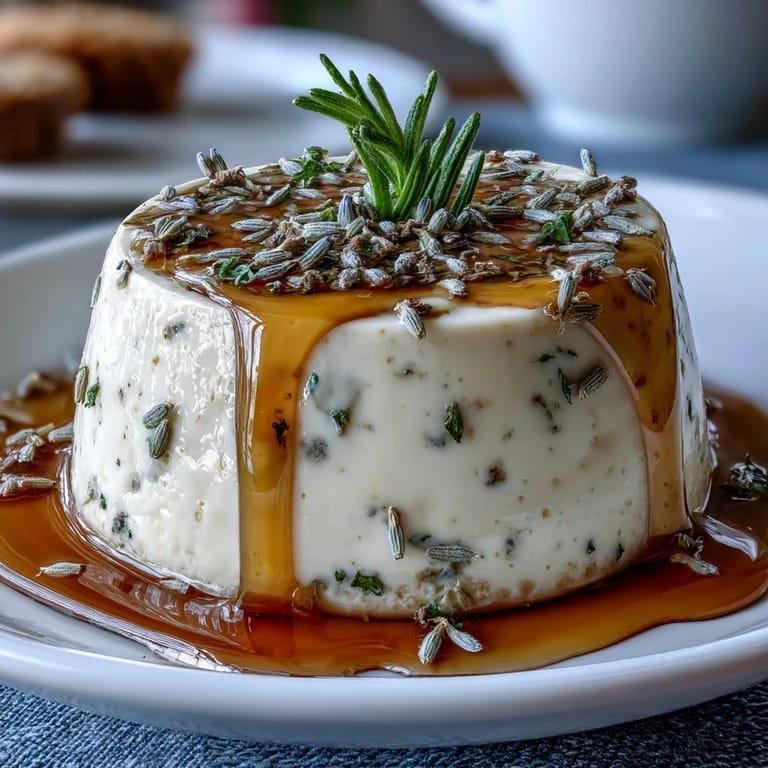
 It was early spring when I first tried making honey lavender panna cotta—the scent of the lavender buds curling up from the warm cream was a surprise, like walking into a sunlit garden instead of my small apartment. I’d read about panna cotta’s silky texture, but it wasn’t until I stole a spoonful straight from the fridge that I understood the magic. The honey pooled gently on top, enough sweetness without weighing the dessert down. I remember leaning over the kitchen counter, tasting as I garnished, the air lingering with floral warmth. This recipe became my favorite punctuation to a dinner party—simple, elegant, and unexpectedly calming.
One lazy Sunday, I made these panna cottas for friends who dropped by unannounced. The kitchen was filled with laughter, and I nearly forgot it chilling until someone asked why the fridge smelled so good. Serving them in tiny glasses with edible flowers made the afternoon feel festive, even though I hadn’t planned anything fancy.
Ingredients
- Heavy cream: This is the soul of panna cotta, ensuring a luscious, truly velvety texture—use the freshest cream for best flavor.
- Whole milk: Balances richness and helps panna cotta set just right; avoid skim or low-fat for a silky finish.
- Honey: Choose floral honey if possible—it adds gentle sweetness and blends perfectly with the lavender.
- Dried culinary lavender buds: Use culinary-grade only; a small amount goes a long way, and over-steeping can turn the flavor bitter.
- Pure vanilla extract: Adds warmth and rounds out the floral notes—don’t skip it, even if honey is fragrant enough.
- Unflavored powdered gelatin: This is essential for setting; make sure you let it bloom fully in cold water before using.
- Cold water: Needed to bloom the gelatin—never rush this step or skip it, or you’ll end up with lumps.
- Fresh berries (optional): They add a cheerful pop of color and fresh taste—blueberries or raspberries are beautiful.
- Edible flowers/lavender buds (optional): Just a sprinkle is enough for a charming finish—don’t overload or it’ll look crowded.
Tired of Takeout? 🥡
Get 10 meals you can make faster than delivery arrives. Seriously.
One email. No spam. Unsubscribe anytime.
Instructions
- Infuse the cream:
- Combine heavy cream, milk, and lavender in a saucepan and gently warm until you see steam rising—the scent will seem stronger than you expect. Cover and let the mixture steep for 10 minutes, letting the lavender work its magic.
- Bloom the gelatin:
- While the cream steeps, sprinkle the gelatin over cold water and wait 5 minutes; you’ll see it swell and soften, which means it’s ready.
- Strain and sweeten:
- Strain your infused cream with a fine mesh sieve, then return it to the stove. Add honey and vanilla, and heat gently until the honey has dissolved—don’t let it boil or scorch.
- Mix in the gelatin:
- Remove from heat and whisk the bloomed gelatin in, making sure it fully disappears—no lumps allowed for the silkiest panna cotta.
- Pour and chill:
- Pour the mixture into ramekins or glasses. Let them cool, cover, and refrigerate for at least four hours, while the panna cotta quietly sets up into wobbly perfection.
- Serve and garnish:
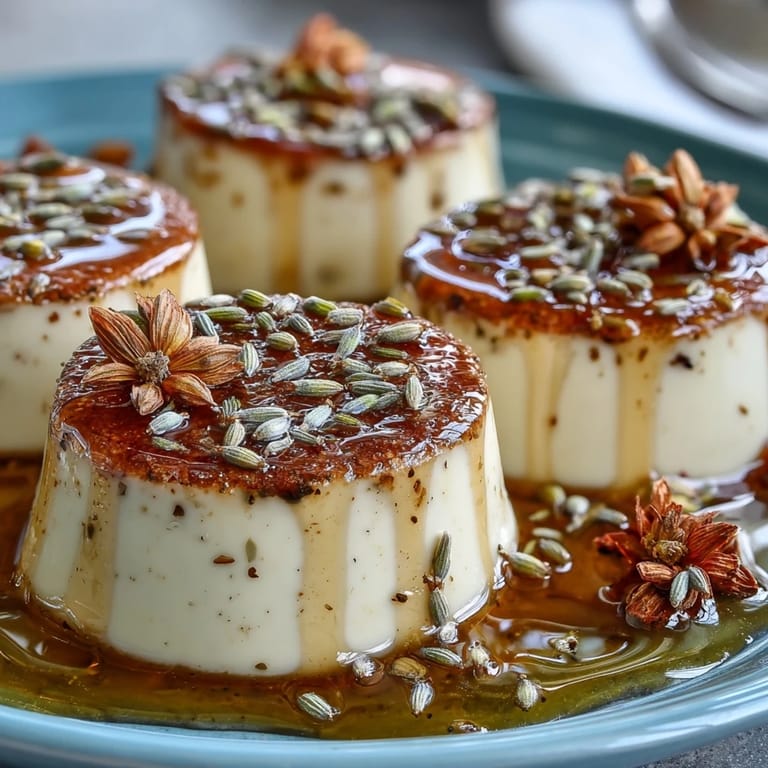
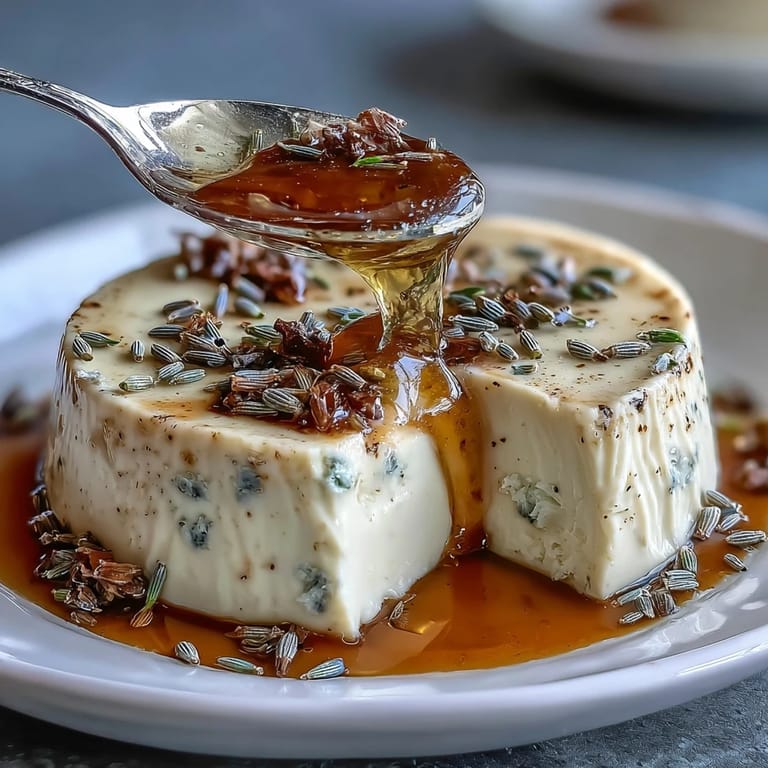
- Unmold onto plates or serve straight from the glasses. Finish with honey, berries, and edible flowers—just a drizzle and a scatter is enough.
 Pin It
 I’ll never forget serving these at a spring brunch—a friend closed her eyes while tasting, declaring it the creamiest thing she’d ever eaten. A quiet hush settled around the table for a moment, everyone savoring the gentle florals and sweet honey. That was when I realized this dessert isn’t just a treat—it’s a way of gathering people, making the season feel special.
Choosing Lavender for the Best Flavor
Culinary lavender can vary wildly in strength, so start with less and adjust over time. I’ve tried both fresh lavender from my balcony and dried buds from the market—the dried version is stronger, but fresh gives a different, softer floral lift. Make extra sure to strain well, because any stray buds can ruin the smooth texture.
How to Unmold Panna Cotta Easily
If you’re going for a plated look, run a thin knife around the edge and dip the ramekin briefly in warm water—just a second or two does the trick. Don’t force it, let gravity and gentle shaking release it onto a plate. Even when it sticks, it’ll still taste fantastic (and nobody minds).
Serving Suggestions for a Spring Gathering
One trick I use is to serve panna cotta in small glass jars for a rustic feel—there’s something joyful about seeing the layers. Pairing it with sparkling wine makes the flavors sparkle, and edible flowers always get compliments. Berries add just enough tang without overwhelming the honey and lavender.
- Chill glasses ahead of time for faster setting.
- Keep honey at room temperature so it’s easier to drizzle.
- Don’t add garnishes until just before serving for prettiest presentation.
 Pin It
 Panna cotta always brings a touch of calm to any meal—you’ll be surprised by how many people ask for seconds. It’s the kind of dessert that feels both effortless and special every single time.
Recipe Questions & Answers
- → Can I use fresh lavender instead of dried?
Yes, fresh lavender flowers can be used, but start with half the quantity since they're stronger. Strain before mixing.
- → How can I make this vegetarian?
Substitute gelatin with agar agar or a vegetarian gelling agent. Adjust steeping and dissolving steps as needed.
- → Is it possible to make dairy-free panna cotta?
Yes, use plant-based cream and milk alternatives. Ensure the gelling agent works with non-dairy liquids.
- → Which garnish pairs best with honey lavender?
Fresh berries, edible flowers, or additional lavender buds complement the floral and sweet flavors beautifully.
- → How can I avoid bitterness from lavender?
Steep lavender for no more than 10–15 minutes. Over-steeping can make the flavor harsh and overpowering.