 Pin It
 There's something deeply satisfying about watching vegetables disappear into a sauce—not in a wasteful way, but transformed. A few summers ago, I was standing at my stove on a Tuesday evening, surrounded by the colorful scraps of a farmers market haul that didn't quite make it into other dishes, and I thought: why not blend them all into tomato sauce? The result was so vibrant, so naturally sweet, that I've been making versions of it ever since, and every batch tastes like a little redemption story.
I made this for my sister's family on a chaotic Sunday, when her kids had just declared they wouldn't eat anything with visible vegetables, and I needed something that looked simple but delivered everything they actually needed. By the time we sat down, they were asking for seconds, and she texted me the recipe request emoji with about six question marks. That's when I knew I had something worth perfecting.
Ingredients
- Carrot: Adds natural sweetness that balances the acidity of the tomatoes; make sure it's soft enough to purée completely.
- Zucchini: Brings body and creaminess without any competing flavor—it's the secret to why this sauce feels so luxurious.
- Bell pepper (red or orange): Choose red for more sweetness, orange for a milder presence; both contribute brightness and subtle depth.
- Onion: The foundation player that softens into the background and builds flavor complexity.
- Garlic: Don't skip the mincing—small pieces distribute evenly and cook into the sauce rather than sitting as chunks.
- Celery stalk: A quiet contributor that nobody tastes directly but everyone notices is missing if you leave it out.
- Crushed tomatoes: Use good canned ones if fresh aren't in season; they're consistent and the acidity is already balanced by the cannery.
- Tomato paste: Two tablespoons concentrate the tomato flavor without diluting the sauce; stir it in early so it loses any raw edge.
- Olive oil: This is your cooking fat and flavor base, so choose something you'd actually drink.
- Dried oregano and basil: These dry herbs bloom in the heat and won't turn bitter if you add them early, unlike fresh ones.
- Salt, pepper, and optional sugar: Salt wakes up all the vegetables; a tiny pinch of sugar is your secret weapon if the tomatoes taste too sharp.
- Red pepper flakes: Optional heat that you can adjust to taste at the very end.
- Fresh basil for garnish: A final flourish that tastes completely different from the dried version—add it right before eating.
Tired of Takeout? 🥡
Get 10 meals you can make faster than delivery arrives. Seriously.
One email. No spam. Unsubscribe anytime.
Instructions
- Get your vegetables ready:
- Chop everything into roughly the same size—about half-inch pieces—so they soften at the same pace. This takes maybe ten minutes and changes everything about the final texture.
- Sauté the vegetables:
- Heat your olive oil until it shimmers slightly, then add the onion, carrot, celery, zucchini, and bell pepper together. You want them to turn golden and soft, which means you'll hear them sizzle a little but not aggressively brown; eight to ten minutes is about right, and you'll know it's working when your kitchen smells like a Italian grandmother's house.
- Add the garlic:
- When the vegetables are already soft, add your minced garlic and cook for just one minute—enough time for the rawness to cook off but not so long that it turns brown and bitter. The smell changes instantly, becoming more pungent and inviting.
- Stir in the tomato paste:
- Break it up against the side of the pan with your spoon and cook it for a minute; this removes any metallic or tinny taste and lets it meld with the other flavors.
- Add the crushed tomatoes and seasonings:
- Pour in both cans, then add your oregano, basil, salt, pepper, and sugar if you're using it. The mixture should smell like concentrated summer at this point.
- Simmer until vegetables are very tender:
- Cover the pan and let it bubble very gently for twenty to twenty-five minutes; the vegetables should be soft enough to break apart with a spoon. This is when the flavors truly marry together.
- Purée until completely smooth:
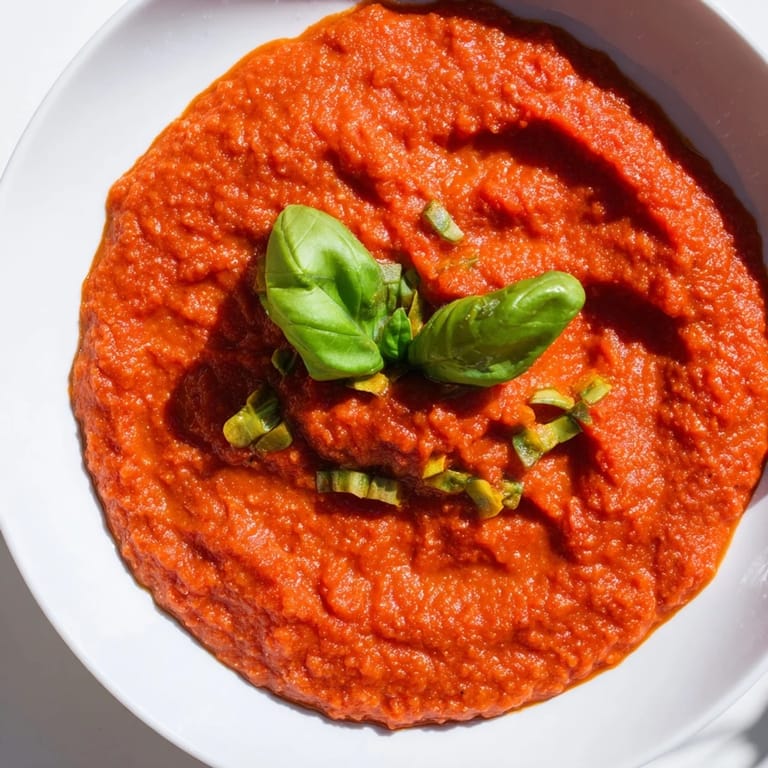
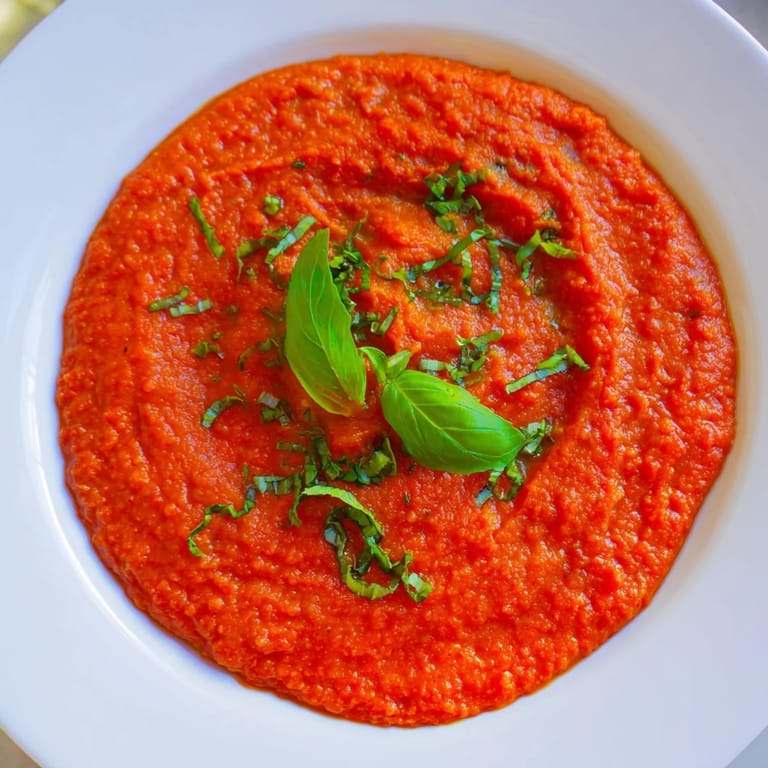
- An immersion blender is easier than transferring batches to a regular blender, and you'll be less likely to splash hot sauce everywhere. Blend until there are no visible vegetable chunks and the color is completely uniform—a deep, rich red.
- Return to heat and finish:
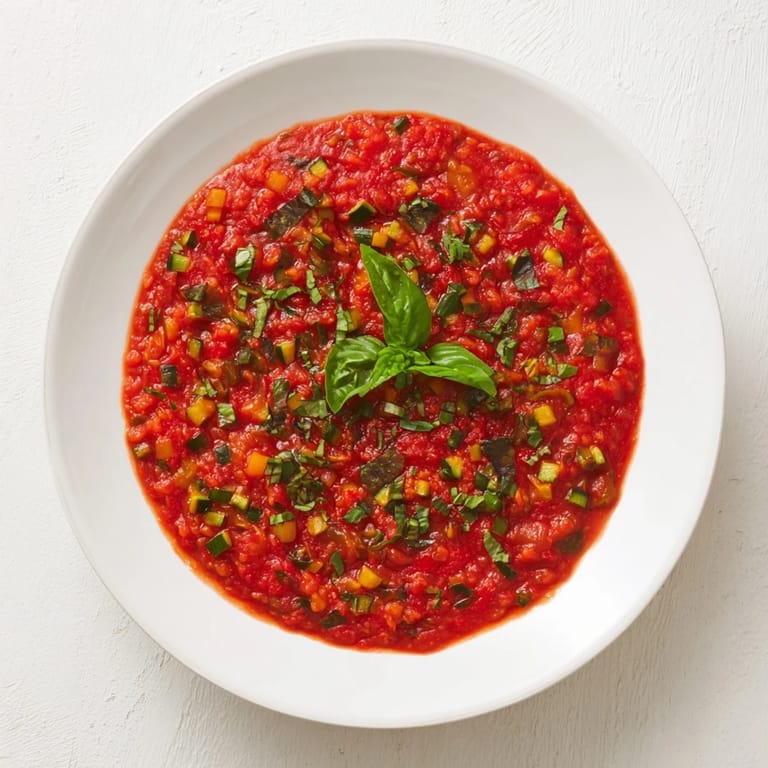
- Simmer uncovered for five to ten minutes to evaporate any excess water and let the flavors concentrate. Taste it now and adjust your salt or add a tiny bit of sugar if needed.
 Pin It
 Last winter, my neighbor smelled this sauce through our shared wall and knocked on my door holding a pot of her own pasta, asking if she could trade recipes. We ended up standing in my kitchen for two hours talking about vegetables and shortcuts and why good food tastes like paying attention to small details. That's when I realized this sauce isn't really about hiding vegetables—it's about letting them be themselves, together.
Why This Sauce Changes Everything
A lot of us grew up thinking that sauces had to be made from a jar or from hours of simmering, but this one collapses the time without sacrificing flavor. The vegetables don't disappear because you're hiding them—they disappear because they actually break down into the tomato base and become part of the structure of the sauce itself. It's less like blending a salad into submission and more like letting each vegetable contribute its own element to something greater. You end up with a sauce that's naturally thicker, slightly sweeter, and more nutritionally dense than anything from a store, all in less than an hour.
Storage and Make-Ahead Magic
This sauce is one of those rare recipes that actually tastes better the next day once all the flavors have had time to settle and get to know each other. You can make a big batch on Sunday and portion it into containers, or freeze it in ice cube trays so you can thaw exactly as much as you need for a single serving or a crowd. It keeps in the fridge for about five days and in the freezer for three months, which means you're really never more than a few minutes of reheating away from a good meal.
Ways to Build On This Base
Once you understand how this sauce works, it becomes a platform for your own ideas rather than a recipe you follow rigidly. Some nights I add a handful of spinach or broccoli florets during the simmering step for even more greenery; other times I stir in white beans or lentils after blending to make it heartier. You can even swirl in a little cream at the very end if you want something richer, or toss in some olives or capers if you're feeling more Mediterranean. The point is that this sauce is forgiving and flexible, which makes it feel less like a chore and more like an actual part of how you cook.
- Add spinach, broccoli, or mushrooms to the initial vegetables to expand the nutrition profile.
- Stir in cooked beans after blending for a complete meal in a single bowl.
- Pair with whole-wheat pasta or serve over rice, polenta, or zucchini noodles.
 Pin It
 This sauce became one of those recipes I make without thinking anymore, the way some people might make toast—which is the highest compliment I can give any food. It's taught me that good cooking isn't about complicated techniques or precious ingredients, but about respecting what you have and letting each element do its job.
Recipe Questions & Answers
- → How do I achieve a smooth texture?
Sauté the vegetables until very tender, then puree the mixture using an immersion blender or countertop blender until completely smooth.
- → Can I adjust the sauce's heat level?
Yes, adding a pinch of red pepper flakes during cooking provides gentle heat that can be adjusted to taste.
- → What vegetables enhance the flavor best?
Carrot, zucchini, bell pepper, onion, celery, and garlic combine for a rich, balanced vegetable profile in the sauce.
- → Is the sauce suitable for dietary restrictions?
Yes, this sauce is vegetarian, vegan, and free from nuts, making it accommodating to many diets.
- → How long can I store leftovers?
The sauce freezes well for up to three months; store in an airtight container for best freshness.