 Pin It
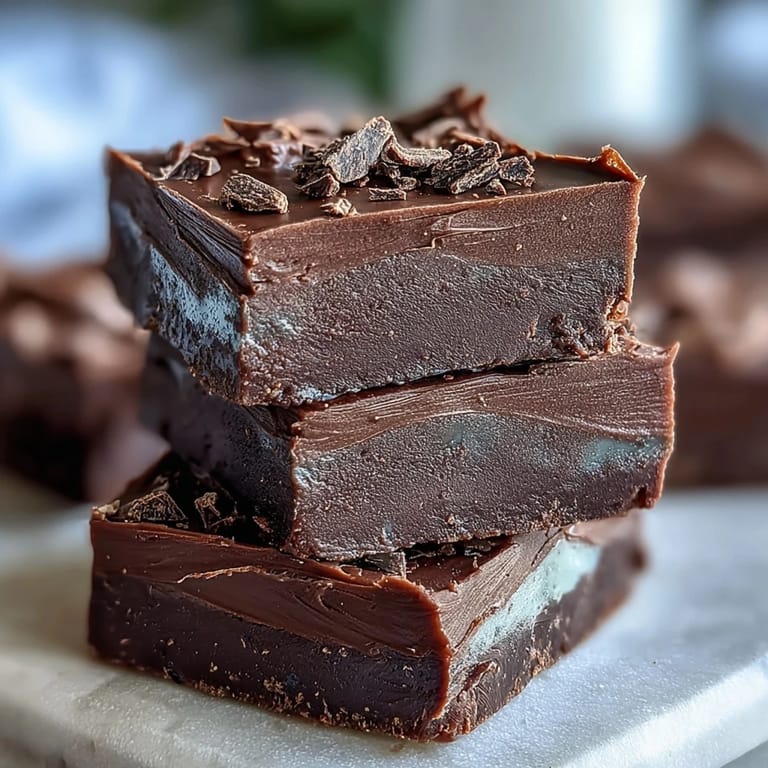
 A friend handed me a tin of hojicha powder during a trip to Tokyo, and I had no idea what to do with it until one rainy afternoon when I was craving chocolate but wanted something different. I dissolved a spoonful in hot water, tasted that toasty, almost coffee-like warmth, and thought immediately of fudge. That first batch was imperfect—grainy in spots, too soft in others—but the combination of roasted tea and dark chocolate felt like discovering a secret. Now, this hojicha fudge is what I reach for when I want to impress someone without spending hours in the kitchen.
I made this for my neighbor last winter when she was recovering from surgery, and watching her face light up when she tasted it—that moment of tasting something unexpected and wonderful while stuck at home—reminded me why fudge exists. She kept asking if there was coffee in it, and I loved explaining hojicha to her, how it's green tea that's been roasted until it smells like caramelized almonds and autumn. Small gestures of food can shift an entire afternoon.
Ingredients
- Dark chocolate (200 g, 60–70% cacao), chopped: Choose quality chocolate here because it's the foundation of everything; I learned the hard way that cheap chocolate tastes thin and waxy compared to good couverture, and hojicha deserves better.
- Milk chocolate (100 g), chopped: This softens the intensity of the dark chocolate and adds a subtle sweetness that balances the earthiness of hojicha without making it cloying.
- Unsalted butter (100 g), cut into pieces: Unsalted lets you control the salt level yourself and creates that luxurious melt-in-mouth texture; salted butter can sometimes crystallize oddly when combined with the condensed milk.
- Sweetened condensed milk (1 can, 397 g): This is the secret ingredient that keeps fudge tender and glossy rather than grainy, adding both body and subtle caramel notes.
- Hojicha powder (2 tbsp): This roasted green tea powder is essential and not interchangeable with matcha; it brings a toasty, almost grain-like flavor that feels completely different from green matcha's grassy brightness.
- Vanilla extract (1 tsp): Just enough to round out the flavor and make the hojicha notes sing without tasting vanilla-forward.
- Salt (pinch): A tiny pinch brightens all the other flavors and prevents the fudge from tasting one-dimensional.
Tired of Takeout? 🥡
Get 10 meals you can make faster than delivery arrives. Seriously.
One email. No spam. Unsubscribe anytime.
Instructions
- Prep your stage:
- Line a square pan with parchment paper, letting it hang over the edges so you can lift the whole fudge out later like a gift. This step feels small but it's the difference between fudge you can share and fudge stuck to the pan forever.
- Melt your chocolate gently:
- Combine the chopped dark and milk chocolate with butter in a heatproof bowl, then set it over a pot of simmering water, stirring occasionally. Listen for the quiet sound of the water simmering below—if it boils too hard, the steam will seize your chocolate and ruin everything, so keep it calm and steady.
- Add the heart of the recipe:
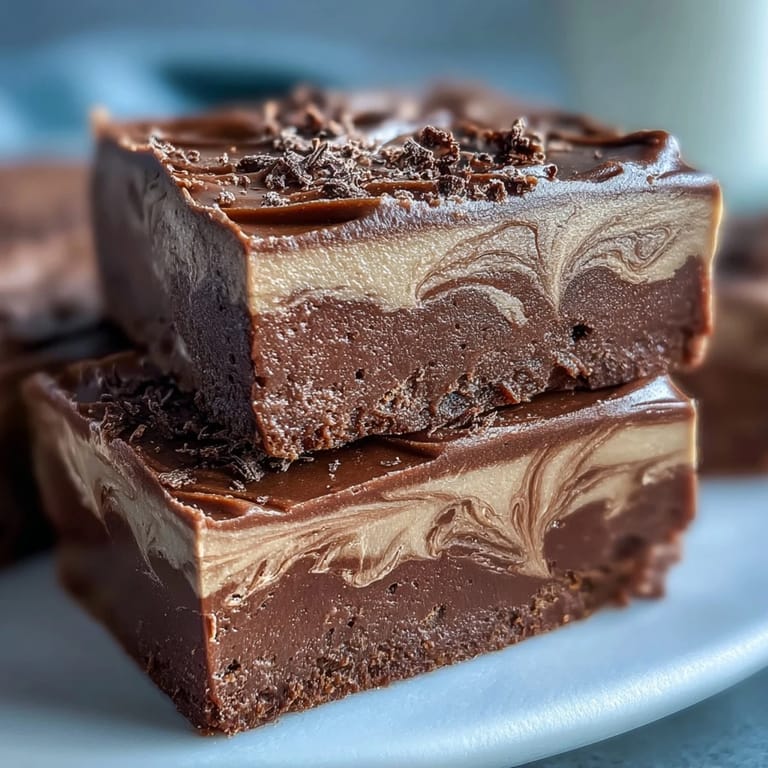
- Once everything is smooth and glossy, remove the bowl from heat and stir in the condensed milk, hojicha powder, vanilla, and salt with purpose. Keep stirring until the hojicha powder disappears completely and the mixture looks like liquid velvet with a subtle tan color.
- Set it to rest:
- Pour the mixture into your prepared pan and use a spatula to smooth the top, then slide it into the refrigerator for at least two hours. I always use this time to make tea—hojicha or regular green—and sit with the fact that in a few hours, you'll have fudge.
- Cut and store:
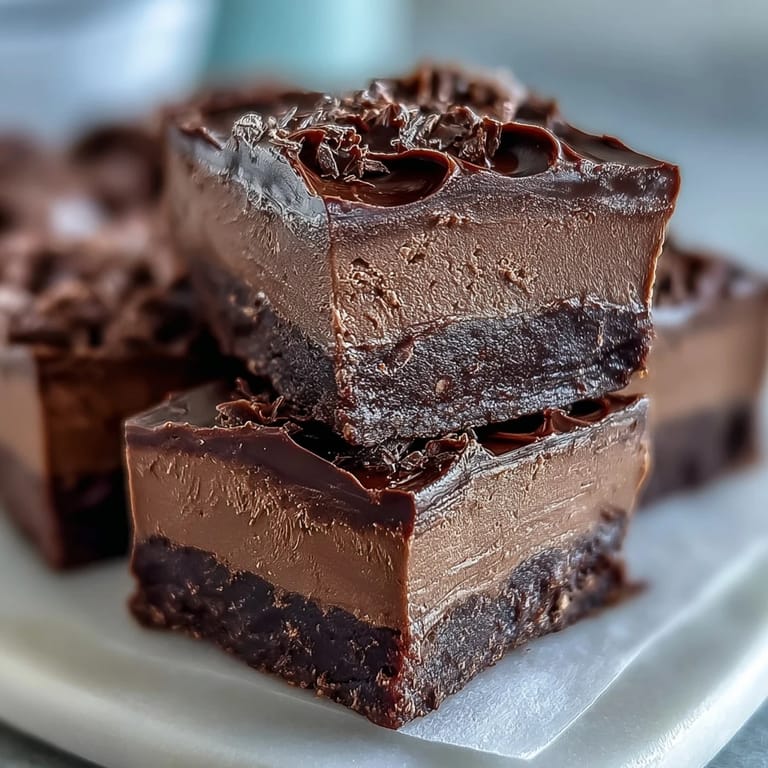
- Once completely set and firm to the touch, lift the fudge out using the parchment overhang and cut it into sixteen squares with a sharp knife dipped in hot water between cuts. Store it in an airtight container in the refrigerator where it stays perfect for a week, though it never lasts that long at my house.
 Pin It
 My mother tasted this fudge and said it reminded her of walking through a tea garden in spring, except warm and chocolate. That's when I realized this recipe does something rare—it makes you taste memory and place in something so simple and small.
Optional Texture Variation
If you want a subtle crunch that contrasts with the smoothness, fold 50 grams of lightly toasted chopped walnuts or almonds into the mixture just before pouring it into the pan. The nuts add a layer of flavor that echoes hojicha's roasted character, making everything feel more intentional and sophisticated. I've done this when I wanted the fudge to feel more substantial, like a snack you could justify eating with coffee.
Pairing and Serving
Hojicha fudge tastes most interesting when eaten slowly alongside something that balances its richness—unsweetened green tea is traditional and delicious, cutting through the chocolate with its subtle bitterness. I've also paired it with a light dessert wine and found that works beautifully, the sweetness playing against the fudge's depth. The real magic happens when you serve it cold from the refrigerator, so the chocolate stays firm enough to have that satisfying snap before melting on your tongue.
Why This Recipe Works
Fudge is one of those recipes that seems simple until you realize how much chemistry is happening in that pot. The combination of two chocolates creates complexity and texture; condensed milk keeps everything from being grainy; and hojicha brings a sophistication that makes people think you spent all day on this when really you spent fifteen minutes actively cooking.
- Quality chocolate makes the difference between good fudge and fudge people actually remember eating.
- The double boiler method prevents any chocolate from overheating and seizing, which is the quickest way to ruin the whole batch.
- Chilling time is not optional—rushing this step results in soft fudge that won't cut cleanly and tastes underdeveloped.
 Pin It
 Make this when you want to give someone something small that tastes like you understand them. It's fudge that tells a story.
Recipe Questions & Answers
- → What does hojicha taste like in fudge?
Hojicha adds a warm, nutty, and toasty flavor profile to the fudge. Unlike matcha's grassy notes, hojicha provides roasted caramel-like undertones that pair exceptionally well with chocolate's richness.
- → Can I substitute matcha powder for hojicha?
No, matcha is not recommended as a substitute. Matcha has a vibrant, grassy, and bitter taste that would completely change the flavor profile. Hojicha's roasted character is essential for this particular confection.
- → How long does the fudge need to set?
The fudge requires a minimum of 2 hours in the refrigerator to completely set. For best results, allow it to chill overnight before cutting to achieve clean, smooth edges.
- → Can I make this fudge without a double boiler?
Yes, you can melt the chocolate and butter in the microwave. Use 30-second intervals at 50% power, stirring between each interval until smooth. Be careful not to overheat as chocolate can seize.
- → How should I store hojicha fudge?
Keep the fudge in an airtight container in the refrigerator, separating layers with parchment paper. It will maintain optimal texture and flavor for up to one week when properly stored.
- → What can I add for extra texture?
Fold in 50 grams of toasted chopped walnuts or almonds just before pouring the mixture into the pan. The nuts provide a pleasant crunch that contrasts beautifully with the smooth fudge.