 Pin It
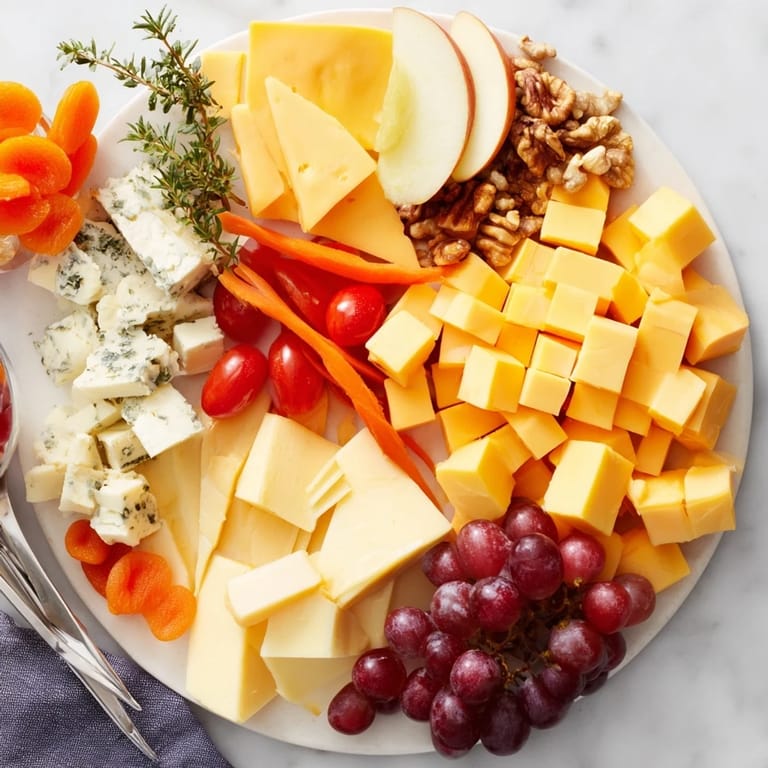
 I remember the day we finally moved into our new place, and I was absolutely terrified about throwing an open house. I stood in my kitchen, surrounded by boxes, thinking, "How am I going to welcome everyone without losing my mind?" That's when it hit me—forget complicated appetizers. What people really want is permission to relax, eat what they love, and linger without guilt. So I built a board instead. A sprawling, generous one that said, "Make yourself at home." It became the heart of the party, and honestly, it's been my secret weapon ever since.
The first time I set this board out, I watched my guests stop mid-conversation and just... smile. A friend who'd been skeptical about the open house idea came over, loaded a plate with Manchego and figs, and said, "This is perfect. This is exactly what a housewarming should feel like." That moment taught me that hospitality isn't about fancy cooking—it's about abundance, ease, and making people feel welcome exactly as they are.
Ingredients
- Sharp Cheddar, 250 g: Choose a block with real character—something aged that announces itself. Its boldness keeps people coming back for more.
- Creamy Brie, 250 g: Cut into wedges while cold; it spreads like silk once it softens slightly at room temperature. This is your luxe touch.
- Manchego, 200 g: Sliced thin to let guests pick just what they need. It has a nutty warmth that bridges sharp and creamy.
- Blue cheese, 200 g: The brave choice—crumble it or leave in blocks so adventurous eaters can find it. A little goes a long way.
- Smoked Gouda, 200 g: Cube it. Its smokiness and slight sweetness balance the sharp Cheddar beautifully.
- Assorted crackers, 350 g: Mix textures—some thin and delicate, some hearty and seeded. The variety keeps things interesting.
- Baguette, 1: Slice it fresh, not too thin or it shatters. Toasted edges have more character than soft slices.
- Breadsticks, 150 g: These fill space elegantly and give guests something to hold while they mingle.
- Red and green grapes, 2 cups total: Keep them in small clusters—they're easier to grab and look more generous on the board.
- Apples, 2: Slice just before serving and toss with lemon juice immediately. This small step keeps them looking fresh and prevents that sad, brown edge.
- Dried apricots and figs, 1 cup total: Their natural sweetness anchors the savory elements and adds jewel-like color.
- Roasted almonds and walnuts, 2 cups total: Buy them already roasted to save time. Toast them yourself only if you want to fill your kitchen with that intoxicating smell.
- Honey, 1/2 cup: Pour it into a small bowl. Drizzle it over cheese, nuts, or dried fruit. It's the bridge between sweet and savory.
- Fig or apricot jam, 1/2 cup: Spoon into a tiny bowl. It transforms how people think about pairing cheese and bread.
- Whole grain mustard, 1/3 cup: The secret weapon. Its grainy texture and gentle heat make every bite more interesting.
- Cherry tomatoes, 1 cup: Choose ones that are truly ripe—their color and flavor matter more than their perfection.
- Baby carrots, 1 cup: Leave them whole. They're like little gifts of fresh crunch in a sea of richness.
- Fresh herbs, a few sprigs: Rosemary and thyme aren't just garnish—they make your board smell alive and welcoming.
Tired of Takeout? 🥡
Get 10 meals you can make faster than delivery arrives. Seriously.
One email. No spam. Unsubscribe anytime.
Instructions
- Arrange your cheeses with intention:
- Start with your largest board or platter. This is your canvas. Place cheese blocks and wedges in a way that feels organic—imagine them as islands, with space between them for everything else. Space them evenly so guests can easily cut and serve themselves without playing Jenga with your cheese tower. Let the different colors and shapes create a visual rhythm.
- Build your cracker and bread foundation:
- In the gaps between cheeses, pile generous handfuls of crackers and baguette slices. Don't be stingy—abundance is part of the message you're sending. Lean them at different angles so they look abundant rather than arranged. This is where your board starts to feel full and inviting.
- Nestle your fruits like hidden treasures:
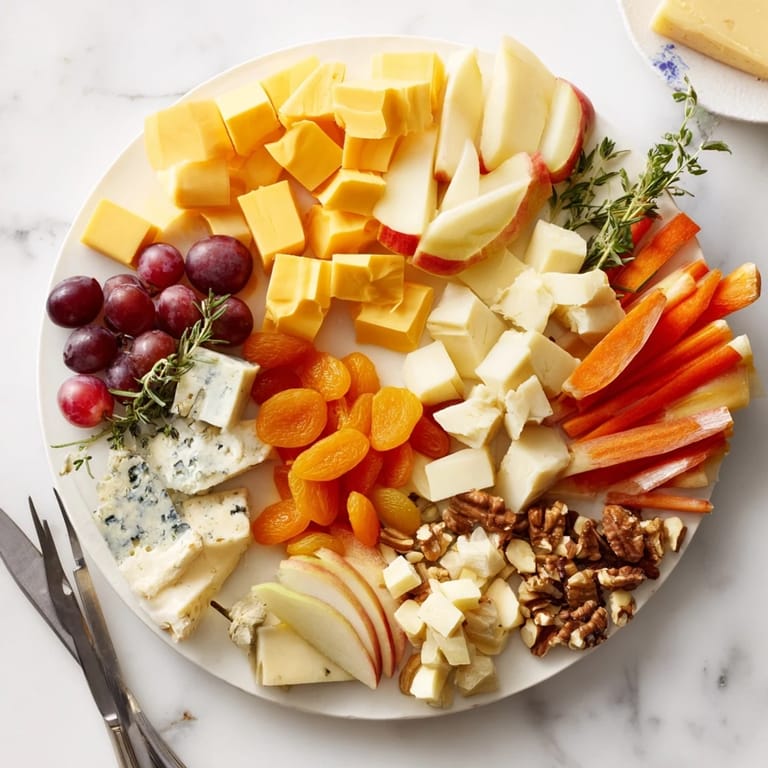
- Tuck grape clusters around the board—their natural sweetness is the first hint that this spread balances flavors beautifully. Arrange apple slices in small groups so they're easy to reach. Scatter dried apricots and figs in the remaining spaces. They add color, texture, and a subtle sweetness that keeps people coming back.
- Create small bowls of nuts and condiments:
- Pour honey, jam, and mustard into small serving bowls and position them where they're visible but not overwhelming. These aren't the stars—they're the supporting cast that makes every bite better. Place small spoons in each bowl so guests know they're meant to be shared.
- Fill gaps with vegetables and greenery:
- Cherry tomatoes and baby carrots add a fresh note that cuts through all the richness. Scatter them in any remaining spaces. Tuck sprigs of fresh rosemary or thyme between items—they'll make your board smell like a sophisticated kitchen and feel like you've put real thought into this.
- Set yourself up for easy serving:
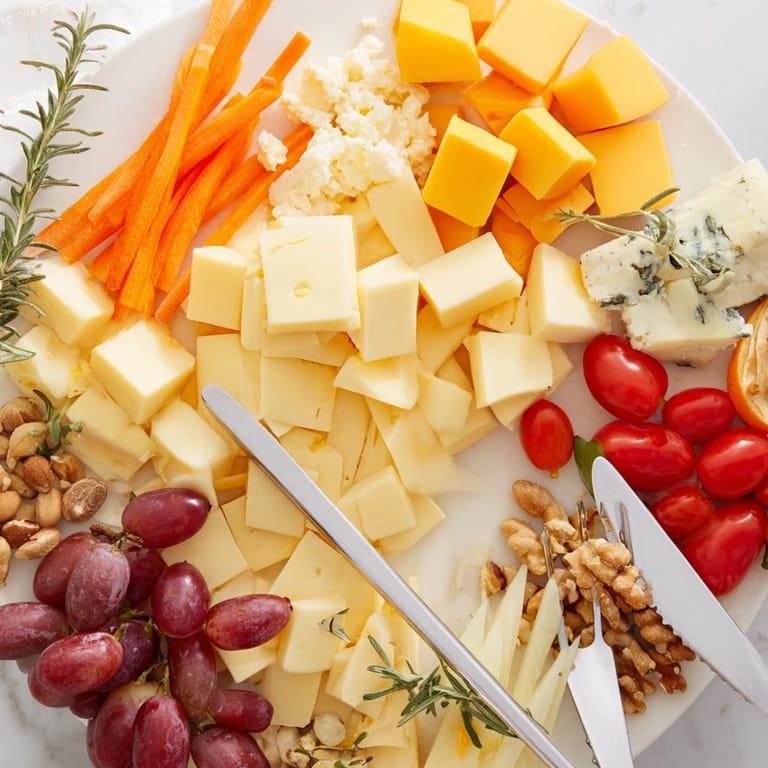
- Arrange small cheese knives, spreaders, toothpicks, or cocktail forks around the board. Position them where guests will naturally see them. This signals that everything is meant to be shared and enjoyed without hesitation.
- Keep it alive throughout the event:
- About halfway through your gathering, take a moment to tidy and replenish. Fill gaps that have opened up, add fresh cheese if needed, refresh the crackers. Your board should look as inviting at the end of the party as it did at the beginning. This small act of care doesn't go unnoticed.
 Pin It
 My favorite part happened when my grandmother leaned over and said, "You know, I've been to fancy restaurants where they make such a fuss about their little plates. But this? This feels like someone actually cares whether I'm fed and happy." That's when I understood: a beautiful board isn't about showing off what you have. It's about showing people that their comfort matters more than perfection.
Choosing Cheeses That Tell a Story
The magic of this board lives in the cheese selection. You're not just serving five different cheeses—you're creating a flavor journey for each guest. Start bold and sharp with the Cheddar, move toward creamy luxury with the Brie, explore nutty territory with Manchego, and offer the brave among your guests something unexpected with the blue cheese. Smoked Gouda brings everything together with its subtle sweetness. When you're choosing which cheeses to buy, ask the person at the counter about each one. They'll share stories about where it comes from, how it's made, and what it pairs best with. These tiny details transform your board from a party snack into a genuine experience.
The Secret Power of a Well-Built Spread
There's a reason boards and spreads have become the centerpiece of gathering spaces everywhere: they work. They invite people to slow down, to choose, to build their own perfect bite. Unlike a passed appetizer that's gone in one moment, a board lets your guests linger and explore. It's inherently forgiving—if someone's a vegetarian or gluten-free or allergic to nuts, they have choices. It doesn't require you to have cooked anything, but it absolutely says you care enough to have paid attention. The board becomes a conversation starter and a quiet show of hospitality that's so much more powerful than anything you could rush to make in a kitchen.
Making This Board Your Own
The board I've shared here is a template, not a rulebook. Maybe you have access to a beautiful local cheese that should absolutely be here instead of one I've listed. Maybe your friends are obsessed with a particular type of cracker, or you know someone will love charcuterie piled high on one corner. Maybe you have apples from your own tree, or you want to add honeycomb instead of honey. This is your moment to make the board reflect what you love and what your guests will love. Swap out seasonal fruits as they change. Try different combinations of cheese. One version, I added roasted red peppers and marinated olives—it became a new favorite. The beauty of a generous spread is that it invites your creativity and welcomes your personal touches.
- Add cured meats like prosciutto or salami if your crowd includes non-vegetarians—they bring a savory richness that pairs beautifully with everything else
- For gluten-free guests, include gluten-free crackers or offer cucumber slices as a fresh, crispy alternative
- Use whatever fruits are in season where you live—local and seasonal always tastes better and feels more intentional
 Pin It
 A housewarming is really just about saying, "I'm glad you're here," and letting people feel at home in your new space. This board does that beautifully, without asking you to stress about cooking. You've got this.
Recipe Questions & Answers
- → What cheeses are included in this spread?
It includes sharp Cheddar, creamy Brie, Manchego, blue cheese, and smoked Gouda, all cut for easy serving.
- → How can I make this spread suitable for gluten-free guests?
Replace the crackers and breadsticks with gluten-free alternatives or sliced cucumbers for a safe, tasty option.
- → What fresh fruits complement the cheese selection?
Red and green grapes, apple slices treated with lemon juice to prevent browning, and dried apricots and figs provide balanced sweetness and texture.
- → Are there vegetarian-friendly options included?
Yes, the spread features vegetarian-friendly cheeses and accompaniments. For non-vegetarian guests, cured meats can be added separately.
- → What tools are helpful for serving this assortment?
Use cheese knives, spreaders, toothpicks, cocktail forks, small serving bowls, and tongs to facilitate easy self-service and neat presentation.
- → Can the cheese varieties be substituted?
Absolutely, cheeses can be swapped based on preference or availability, allowing customization of the flavors and textures.