 Pin It
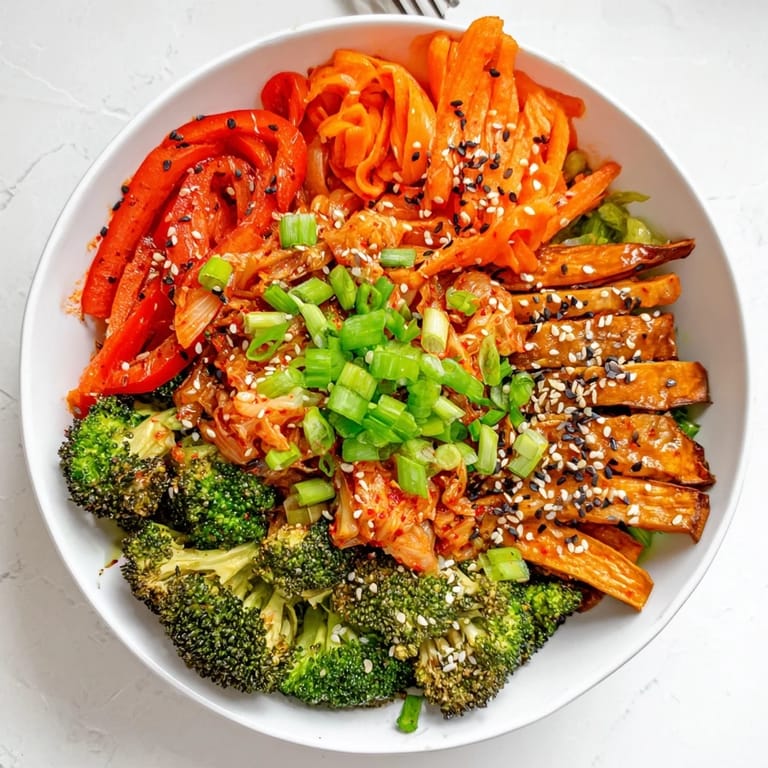
 There's something deeply satisfying about bringing cold storage vegetables to life with heat and fermentation. Last January, when my kitchen felt drafty and uninspired, I started throwing whatever root vegetables I had into a hot pan with some oil. The kimchi addition happened almost by accident, transforming a simple stir-fry into something that made my whole apartment smell like comfort.
My friend Sarah dropped by unexpectedly that first night I made this, and she literally asked for the recipe before she'd even finished her bowl. She said it tasted like warmth itself, like someone had wrapped a blanket around her stomach. Now whenever winter drags on too long, this is the dish that pulls us through.
Ingredients
- Broccoli florets: These become tender-crisp and soak up all the savory sauce, so cut them into bite-sized pieces for even cooking
- Carrots sliced on the bias: The diagonal cut creates more surface area for caramelization and makes them look beautiful on the plate
- Parsnip: This unsung root vegetable adds a subtle sweetness that balances the kimchis tang
- Sweet potato matchsticks: Thin is key here, they cook faster and get those irresistible crispy edges
- Shredded cabbage: It wilts beautifully and adds a fresh crunch that contrasts with the softer root vegetables
- Red bell pepper: Provides a pop of color and a gentle sweetness that rounds out the stronger flavors
- Fresh ginger: Grate it right before cooking, it loses potency quickly once cut
- Garlic: Mince it finely so it distributes evenly without burning
- Toasted sesame oil: This is the flavor foundation, dont skip the toasting step or use plain sesame oil
- Soy sauce or tamari: Tamari if you need gluten-free, otherwise regular soy sauce gives that deep umami note
- Rice vinegar: Adds brightness and cuts through the richness of the sesame oil
- Maple syrup or honey: Just a touch helps all the flavors meld together and balances the acidity
- Kimchi: The star of the show, choose one you love eating straight from the jar
- Green onions: Fresh onion flavor on top makes everything taste brighter and more finished
- Toasted sesame seeds: They add a nutty crunch and make the dish look restaurant-quality
Tired of Takeout? 🥡
Get 10 meals you can make faster than delivery arrives. Seriously.
One email. No spam. Unsubscribe anytime.
Instructions
- Get everything ready first:
- Mise en place is non-negotiable for stir-frying, prep all your vegetables and whisk the sauce together before you turn on any heat
- Heat your pan until it's properly hot:
- The sesame oil should shimmer and almost smoke when you add it, this is what creates those restaurant-style caramelized bits
- Start with the aromatics:
- Toss in the ginger and garlic, they should sizzle immediately and fill your kitchen with their fragrance, about 30 seconds max so they don't burn
- Add the hard vegetables first:
- The carrots, parsnip, sweet potato, and broccoli need those 4-5 minutes to start softening while still keeping their shape
- Throw in the quick-cooking vegetables:
- Cabbage and bell pepper only need 3-4 minutes to get that perfect crisp-tender texture
- Pour in your sauce:
- It should bubble immediately and coat everything in a glossy glaze, toss the vegetables so every piece gets some love
- Turn off the heat and add the kimchi:
- This is the most important step, removing the pan from heat protects those beneficial probiotics while still warming the kimchi through
- Garnish and serve immediately:
- The green onions and sesame seeds go on top right before serving, they're what make this feel like something special
 Pin It
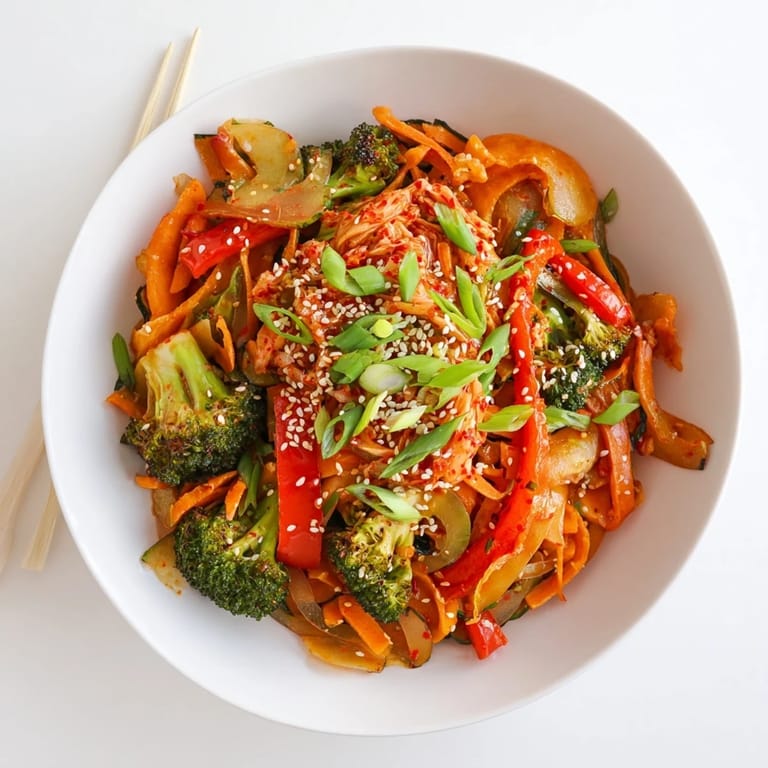
 This recipe has become my go-to for winter comfort, something about the combination of warm vegetables and tangy kimchi just feels like it heals you from the inside out. Even my friend who claims to hate vegetables asked for thirds the first time I made it for dinner club.
Making It Your Own
The beauty of this stir-fry is how forgiving it is, I've swapped in cauliflower, added mushrooms, even thrown in some cubed tofu when I wanted more protein. One night I used only what I had left in my crisper drawer and it turned out even better than the original version.
Perfecting Your Stir-Fry Technique
After years of soggy stir-fries, I finally learned that overcrowding the pan is the enemy. If you're doubling this recipe, cook the vegetables in two batches instead of trying to jam everything in at once. The difference in texture and flavor is honestly night and day.
Serving Suggestions That Make It A Meal
I love serving this over steamed brown rice or quinoa to make it more substantial, the grain soaks up all that flavorful sauce. Sometimes I'll even crack a couple of eggs into the pan right before adding the kimchi, letting them scramble into the vegetables for extra protein.
- Keep some extra kimchi on the table for people who want to add more heat
- A squeeze of fresh lime juice right before serving brightens everything up beautifully
- This reheats surprisingly well for lunch the next day, just add a splash of water to loosen the sauce
 Pin It
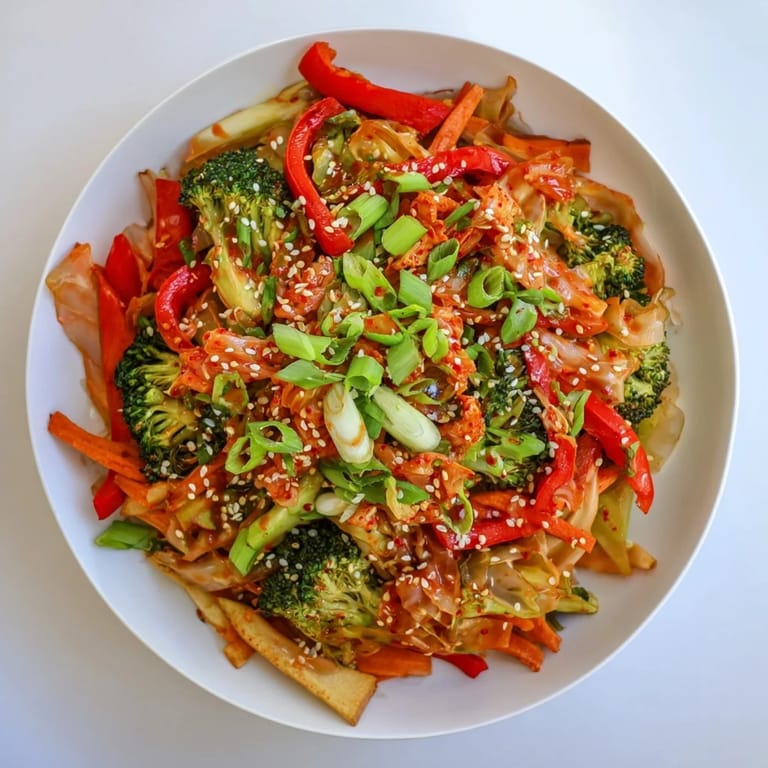
 There you have it, winter comfort in a bowl that's good for you too. I hope this becomes one of those recipes you turn to when you need something warming but still want to feel nourished.
Recipe Questions & Answers
- → Can I use vegetables other than what's listed?
Absolutely. This dish works well with turnip, rutabaga, kale, or any other hearty winter vegetables you have on hand. Just adjust cooking times accordingly.
- → Does heating kimchi kill the probiotics?
To preserve the beneficial probiotics, the kimchi is added after removing the pan from heat. This gentle incorporation maintains the live cultures while still allowing the flavors to meld.
- → Is this dish gluten-free?
It can be. Simply substitute tamari for the soy sauce, and ensure your kimchi is certified gluten-free as some varieties contain wheat or barley.
- → Can I make this ahead of time?
Best served fresh for optimal texture and probiotic benefits. However, you can prep all vegetables in advance and store them in the refrigerator for up to 2 days before cooking.
- → What makes the vegetables crisp-tender?
Stir-frying over medium-high heat quickly cooks the vegetables while maintaining their crunch. Cutting them into evenly sized pieces ensures uniform cooking.
- → Can I add protein to this dish?
Yes. Tofu, edamame, or tempeh work well for a vegetarian boost. For non-vegetarian options, add cooked chicken, shrimp, or beef during the vegetable stir-fry stage.