 Pin It
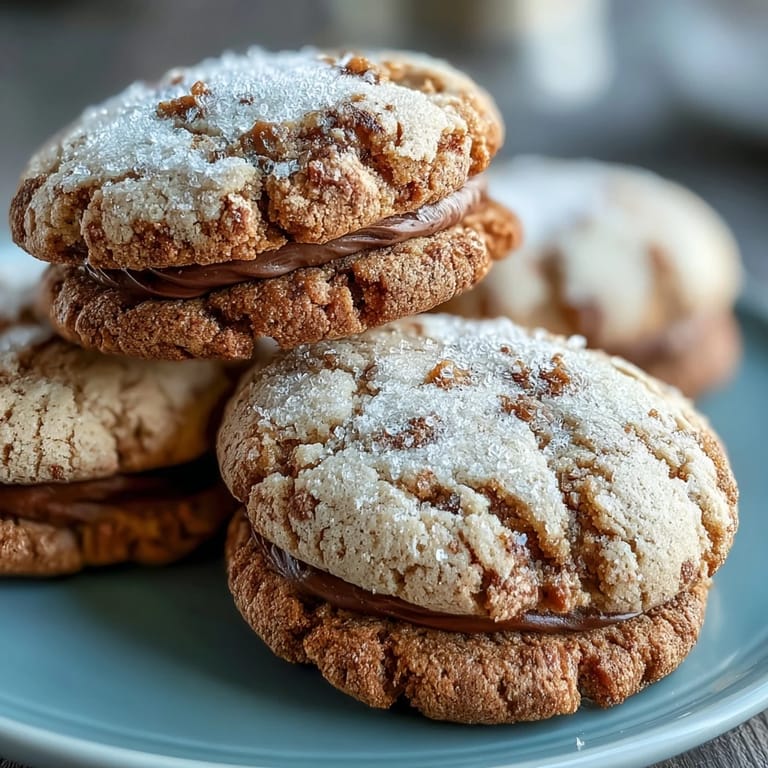
 I discovered hojicha cookies by accident during a quiet afternoon in my kitchen when I was trying to use up a tin of hojicha powder someone had gifted me. The aroma hit me immediately—nutty, toasted, almost like standing in a Japanese tea house—and I realized this earthy flavor could translate beautifully into something sweet and buttery. What started as curiosity became an obsession, and now these delicate rounds are my go-to when I want something that feels both familiar and unexpectedly sophisticated.
The first time I brought these to a dinner party, my friend Sarah bit into one and stopped mid-conversation—that split-second pause where someone's tasting something genuinely new. She asked for the recipe immediately, and I watched her face as she tried to describe the flavor to her husband: "It's like tea, but not tea? Toasted? But sweet?" That confusion, followed by a second cookie being grabbed almost unconsciously, told me everything I needed to know about whether these would become a regular thing in my kitchen.
Ingredients
- All-purpose flour (1 1/2 cups): The foundation that keeps these cookies tender rather than cakey—don't sift it unless you like cookies that feel dense and heavy.
- Hojicha powder (2 tbsp): This roasted green tea powder is the soul of the recipe, delivering that distinctive toasty-nutty flavor that makes people pause and wonder what you did differently.
- Baking soda (1/2 tsp): Just enough to help them spread and develop those crucial golden edges without turning them into flat discs.
- Fine sea salt (1/4 tsp): A small amount that doesn't make them taste salty at all—it just sharpens and brightens the hojicha notes.
- Unsalted butter, softened (1/2 cup): Room temperature is non-negotiable here; cold butter won't cream properly and your cookies will be tough instead of tender.
- Granulated sugar (3/4 cup): The sweetness that balances the earthy tea powder—too much and they become one-note, too little and the hojicha tastes almost bitter.
- Large egg (1): Brings structure and helps bind everything without making the cookies cakey or too soft.
- Pure vanilla extract (1 tsp): A subtle background note that somehow makes the hojicha flavor taste even more refined.
Tired of Takeout? 🥡
Get 10 meals you can make faster than delivery arrives. Seriously.
One email. No spam. Unsubscribe anytime.
Instructions
- Heat your oven and prep:
- Get your oven to 350°F and line a baking sheet with parchment paper—this prevents sticking and gives your cookies an even, gentle heat from below. Starting with a ready-to-go pan means you're not scrambling once your dough is mixed.
- Combine your dry team:
- Whisk the flour, hojicha powder, baking soda, and salt together in a medium bowl until everything looks evenly combined and you don't see any streaks of powder left. This step ensures the hojicha distributes evenly throughout every cookie instead of settling at the bottom.
- Cream butter and sugar into clouds:
- Beat your softened butter with sugar for about 2 to 3 minutes until the mixture looks pale and fluffy—this isn't about speed, it's about incorporating air that will make your cookies tender. Listen for when the mixer sounds lighter and less dense, and stop before you overwork it.
- Add your binders:
- Drop in the egg and vanilla extract, then beat until the mixture is smooth and well combined, which should take another minute or so. The dough will look slightly different now—richer, more cohesive.
- Marry wet and dry gently:
- Add the dry ingredients slowly while mixing on low speed, just until you don't see streaks of flour anymore—this is where patience pays off. Overmixing develops gluten and makes cookies tough, so stop as soon as the dough comes together.
- Portion and space:
- Use a tablespoon to scoop balls of dough onto your parchment-lined sheet, leaving about 2 inches between each one so they have room to spread. The dough should hold its shape and feel slightly firm, like you're handling something that knows what it's supposed to become.
- Bake until the edges whisper golden:
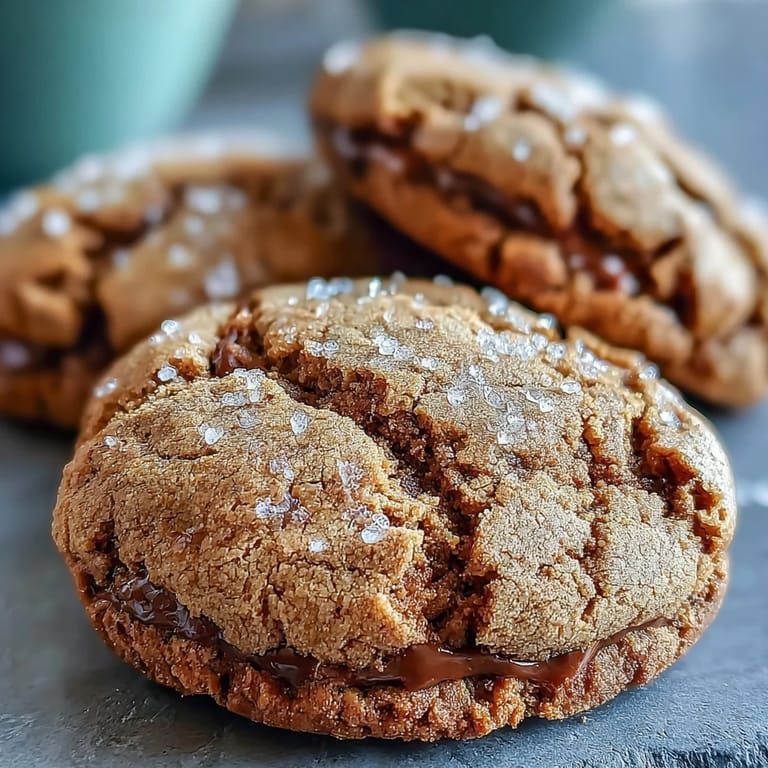
- Bake for 10 to 12 minutes—the exact time depends on your oven, so start checking around the 10-minute mark. You're looking for lightly golden edges while the centers still look just barely set; they'll continue cooking slightly as they cool.
- Cool with intention:
- Let them sit on the baking sheet for 5 minutes so they firm up enough to move without falling apart, then transfer them to a wire rack for complete cooling. This two-stage cooling is what gives them that perfect texture—crispy edges with a tender interior.
 Pin It
 I'll never forget the morning my neighbor smelled these baking and followed the scent to my door like she was possessed, cookies barely cooling on the rack. We ended up sitting at my kitchen table at 8 AM with tea and warm cookies, just talking about nothing in particular, and I realized this is exactly what food should do—create a moment worth pausing for.
The Hojicha Advantage
Hojicha is one of those ingredients that seems exotic until you taste it and realize how naturally it belongs in desserts. Unlike regular matcha, which can taste slightly grassy, hojicha's roasting process brings out warmth and toastiness that feels almost like caramel or brown butter in the most subtle way. Once you understand this flavor profile, you start seeing hojicha cookies as the bridge between traditional butter cookies and something that feels refined enough to serve at a dinner party without anyone questioning why.
Storage and Keeping
These cookies stay best in an airtight container at room temperature for up to 4 days, though honestly they rarely last that long in my house. If you want to make them ahead, the dough freezes beautifully for up to a month—just let it sit at room temperature for about 10 minutes before scooping so it's not too hard to work with.
Playing with Flavor
The beauty of these cookies is that they're a blank canvas for subtle additions if you want to take them further. I've folded in white chocolate chips, which add a creamy sweetness that somehow makes the hojicha taste more complex, and I've tried chopped toasted hazelnuts, which echo that toasty tea flavor perfectly.
- For a stronger hojicha presence, gradually add up to 3 tablespoons of powder and taste the dough to dial in your preference.
- White chocolate or finely chopped nuts should be folded in during the last few seconds of mixing to keep the dough from overdeveloping.
- If you're gifting these, a small card explaining the hojicha flavor helps people appreciate what they're tasting instead of being confused by something unfamiliar.
 Pin It
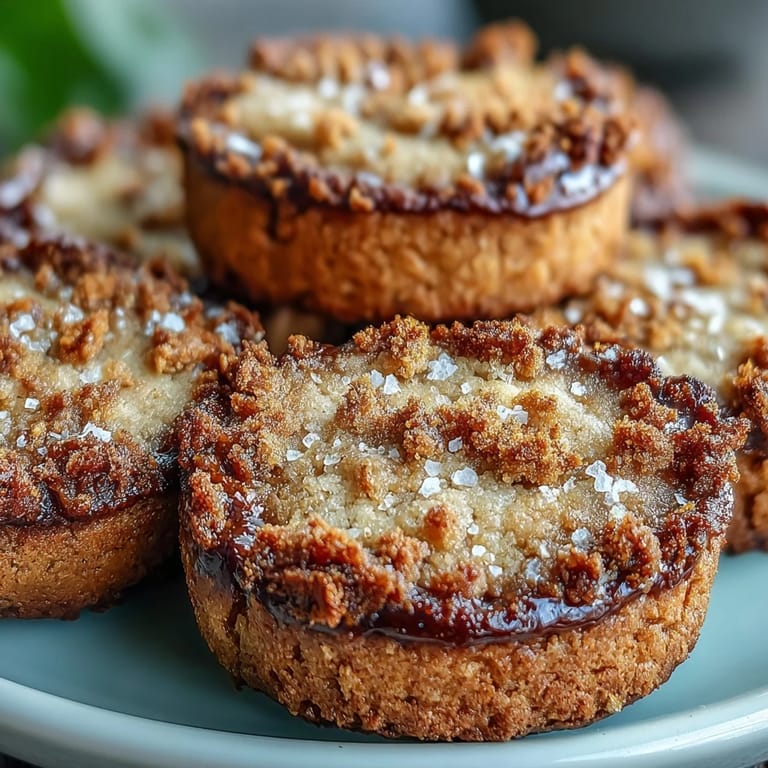
 These hojicha cookies have become my answer to the question "Can I bring something?"—they're different enough to be memorable but approachable enough that people who think they only like chocolate chip cookies end up asking for more. There's something deeply satisfying about watching someone taste something completely new and finding out they love it.
Recipe Questions & Answers
- → What does hojicha taste like in cookies?
Hojicha adds a distinctive nutty, smoky flavor with subtle earthy notes. Unlike matcha's bright grassiness, roasted hojicha provides a mellow, comforting taste that pairs beautifully with butter and sugar.
- → Can I use matcha powder instead of hojicha?
Yes, though the flavor profile will change significantly. Matcha offers a vibrant, grassy taste while hojicha delivers a roasted, nutty character. Both work well in this buttery cookie base.
- → How do I store these cookies?
Keep in an airtight container at room temperature for up to 4 days. The flavors often develop deeper complexity after a day. Avoid refrigeration as it can affect texture.
- → Why is my dough too soft or sticky?
This typically happens if the butter was too warm or ingredients were measured incorrectly. Chill the dough for 15-20 minutes before scooping if needed. Ensure proper flour measurement by spooning into measuring cups rather than dipping.
- → Can I freeze the dough or baked cookies?
Absolutely. Scoop dough onto a baking sheet, freeze until solid, then transfer to a freezer bag for up to 3 months. Bake from frozen, adding 1-2 minutes to baking time. Baked cookies also freeze well for up to 2 months.
- → What makes these cookies Japanese-inspired?
The incorporation of hojicha powder, a roasted green tea traditionally enjoyed in Japan, gives these cookies their cultural inspiration. The technique marries Japanese tea culture with Western-style butter cookies.