 Pin It
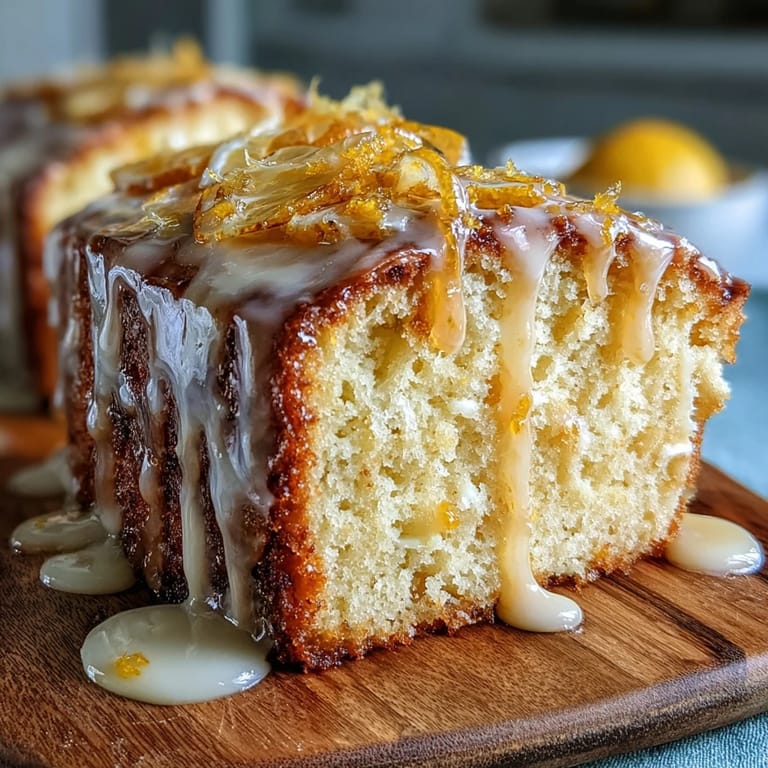
 There's something about the smell of lemon zest hitting hot butter that makes you feel like you're cooking in someone's sun-soaked Italian kitchen, even if it's just Tuesday afternoon in your apartment. I stumbled onto limoncello pound cake by accident, really—I had a bottle gifted to me that sat on the shelf for months, and one weekend, watching the late afternoon light pour through the kitchen window, I decided to stop wondering and start baking. The result was this tender, impossibly moist cake that tastes like bottled sunshine, with a glaze so glossy and bright it practically glows on the plate.
I brought this cake to a dinner party where someone's grandmother was visiting from Napoli, and she took one bite and closed her eyes like she was remembering something important. That moment—when a dessert manages to speak across generations and kitchens—reminded me why I love this recipe so much. She asked for the recipe in Italian, which I couldn't provide, but the compliment translated perfectly in any language.
Ingredients
- Unsalted butter (1 cup, softened): Use it at room temperature so it creams properly with the sugar; cold butter won't incorporate air, and you'll lose that tender crumb.
- Granulated sugar (2 cups): This is your cake's structure and sweetness, so don't skimp on quality—it dissolves into the butter to create that pale, fluffy base.
- Large eggs (4, room temperature): Cold eggs won't blend smoothly and can cause the batter to break; let them sit out for 20 minutes before you start.
- Limoncello liqueur (1/4 cup): This is the secret weapon that elevates everything; if you don't have it, fresh lemon juice works, but you'll lose some of that aromatic magic.
- Whole milk (1/4 cup, room temperature): Keep it at room temperature so it doesn't shock the warm batter and cause the emulsion to break.
- Freshly grated lemon zest (2 tbsp): Use a microplane and zest right before baking—pre-zested loses its oils and aroma within hours.
- Fresh lemon juice (1/4 cup): Squeeze it fresh from the lemon; bottled juice tastes tinny and flattens the cake's brightness.
- All-purpose flour (2 1/2 cups): Measure by spooning and leveling, not by dipping the cup straight into the bag, which compacts the flour and makes the cake dense.
- Baking powder (1 1/2 tsp): This lifts the cake and keeps it from sinking; make sure yours isn't expired by checking the date on the container.
- Salt (1/2 tsp): Enhances all the lemon flavors and balances the sweetness, so don't leave it out even though it seems small.
- Powdered sugar (1 cup, sifted): Sift it before mixing the glaze to avoid lumps that refuse to dissolve smoothly.
- Fresh lemon juice for glaze (2–3 tbsp): Adjust the amount based on how thick you want your glaze; start with 2 tablespoons and add more if needed.
- Limoncello for glaze (1 tbsp): This keeps the glaze from tasting one-dimensional and adds a professional finish.
Tired of Takeout? 🥡
Get 10 meals you can make faster than delivery arrives. Seriously.
One email. No spam. Unsubscribe anytime.
Instructions
- Get everything ready:
- Preheat the oven to 350°F and grease your pan generously before flouring it—wet hands and a light touch make this step foolproof. Having all your ingredients measured and at room temperature before you start is the difference between a smooth process and a stressful one.
- Cream the butter and sugar:
- Beat them together for 3 to 4 minutes until the mixture looks pale, fluffy, and almost mousse-like; you'll know it's ready when you lift the beaters and the mixture falls in ribbons. This step is crucial because you're whipping air into the batter, which creates the cake's tender crumb.
- Add the eggs one at a time:
- After each egg, mix well before adding the next—this prevents the batter from looking curdled and separated. If it does look broken, don't panic; a splash of the room-temperature milk mixed in will bring it back together.
- Blend in the citrus and liqueur:
- Stir in the lemon zest, limoncello, lemon juice, and milk until everything is incorporated and the batter smells intensely lemony. The zest should be evenly distributed, so take a moment to make sure you don't have clumps of it sitting in one spot.
- Combine the dry ingredients:
- Whisk the flour, baking powder, and salt together in a separate bowl so the leavening is evenly distributed throughout. This prevents dense pockets in your finished cake.
- Fold everything together:
- Add the dry ingredients to the wet ingredients and mix just until you don't see streaks of flour anymore; overmixing develops gluten and toughens the crumb. It's okay if the batter looks slightly lumpy—that's actually the sign to stop.
- Pour and smooth:
- Transfer the batter to your prepared pan and smooth the top gently with a spatula, but don't press down hard. Tap the pan lightly on the counter once to release any trapped air bubbles.
- Bake with patience:
- Bake for 50 to 55 minutes until a toothpick inserted in the center comes out clean or with just a few crumbs clinging to it. The kitchen will smell incredible, and that's not a sign it's done—trust the toothpick, not your nose.
- Cool gradually:
- Let the cake rest in the pan for 15 minutes before turning it out onto a wire rack; rushing this step can cause the cake to break. Once it's completely cool, you can make the glaze without worrying about it sliding off.
- Make and apply the glaze:
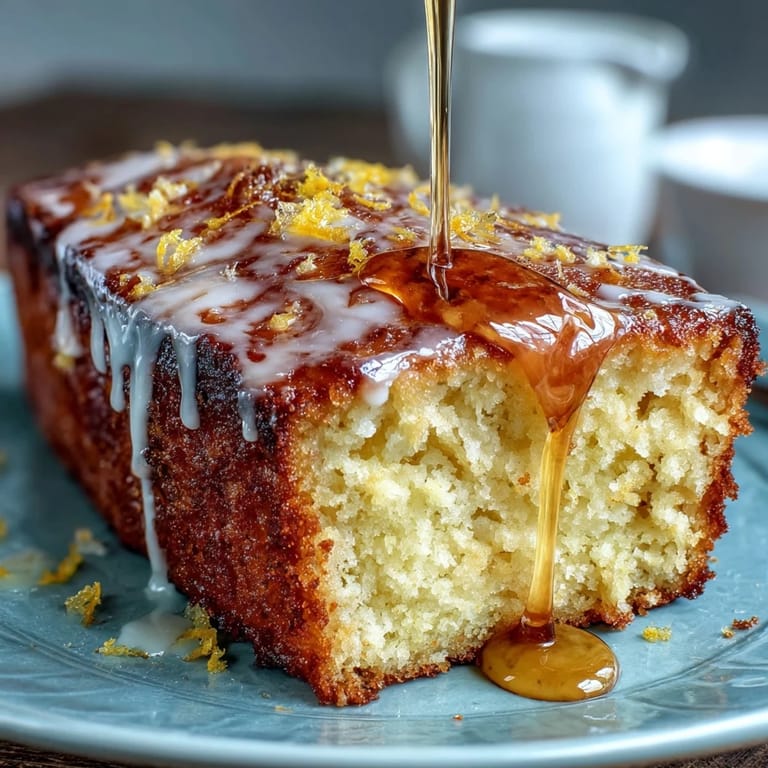
- Whisk the sifted powdered sugar with lemon juice and limoncello until smooth and pourable—if it's too thick, add juice a teaspoon at a time. Drizzle it over the cooled cake in a thin, even stream, and if you want to be fancy, top with a pinch of lemon zest.
- Let it set:
- Allow the glaze to firm up for 30 minutes before slicing; this prevents it from sliding off onto the plate. Once set, the cake is ready to shine.
 Pin It
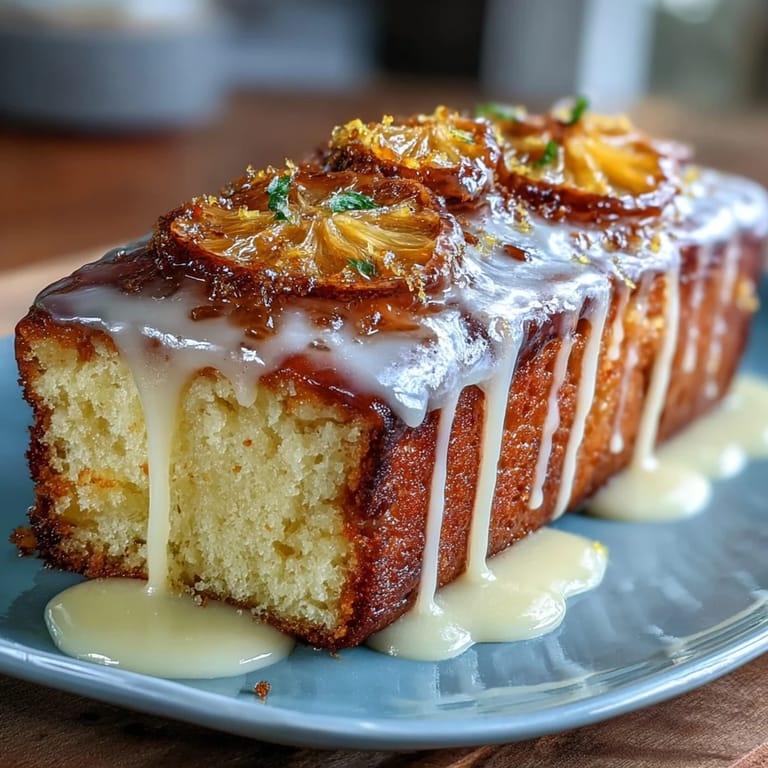
 The first time I brought a slice of this to my neighbor who'd just moved in, she came back an hour later asking if I was serious about the recipe being homemade. That small moment of doubt followed by genuine delight made me realize this cake has a quiet elegance that reads as effortless, even though there's real technique behind it.
Why Limoncello Matters Here
Using limoncello instead of just lemon juice adds a layer of aromatic complexity that makes people pause and ask what makes it taste so special. The alcohol cooks off during baking, but the botanical notes from the lemon peel infusion stay behind, giving the cake a refined sophistication that tastes like it came from a pastry shop. If you're sensitive to alcohol or prefer not to use it, substitute with an equal amount of fresh lemon juice, though the depth of flavor will shift.
Storage and Serving Wisdom
This cake actually improves slightly after a day because the flavors have time to settle and mellow together, so feel free to bake it ahead and store it wrapped tightly at room temperature for up to four days. The glaze stays glossy and doesn't crack, which is a blessing if you're making this for company. A thin slice with fresh berries and whipped cream turns it into a proper dessert course, but honestly, it's just as good with coffee and no accompaniment at all.
Variations That Work
Once you've made this cake once, you'll start seeing possibilities—I've subbed half the all-purpose flour with cake flour for an even more delicate crumb, and I've added a tablespoon of poppy seeds to the batter for subtle texture. You can also make a ricotta frosting by blending ricotta cheese with powdered sugar and lemon zest if you want something richer than the glaze. The beauty of this recipe is that it's flexible enough to adapt to what you have on hand, but structured enough that it never fails.
- For a dairy-free version, use coconut milk instead of whole milk and brush the cooled cake with the glaze instead of drizzling it.
- If you want to skip the glaze entirely, dust the cooled cake with powdered sugar for a more understated look.
- Serve it lightly toasted the next day and it tastes almost like a different cake—the crumb becomes tender and the flavors deepen.
 Pin It
 Every time I bake this cake, it feels like a small ritual—the way the kitchen fills with lemon brightness, the moment the glaze sets and catches the light, the certainty that whoever tastes it will understand why it became a favorite. Make it once and you'll be making it again.
Recipe Questions & Answers
- → What gives the cake its moist texture?
The combination of softened butter, eggs, and milk contributes to the cake's moist and rich crumb.
- → How does Limoncello affect the flavor?
Limoncello adds a sweet, citrusy depth, enhancing the lemon notes and providing a subtle alcoholic aroma.
- → Can I substitute Limoncello in the batter?
Yes, you can replace Limoncello with extra lemon juice for a non-alcoholic version, though the flavor will be less complex.
- → What is the best way to achieve a smooth glaze?
Whisk powdered sugar with fresh lemon juice and Limoncello until smooth and pourable, then drizzle evenly over the cooled cake.
- → How do I know when the cake is fully baked?
A toothpick inserted in the center will come out clean when the cake is baked through, typically after 50–55 minutes.