 Pin It
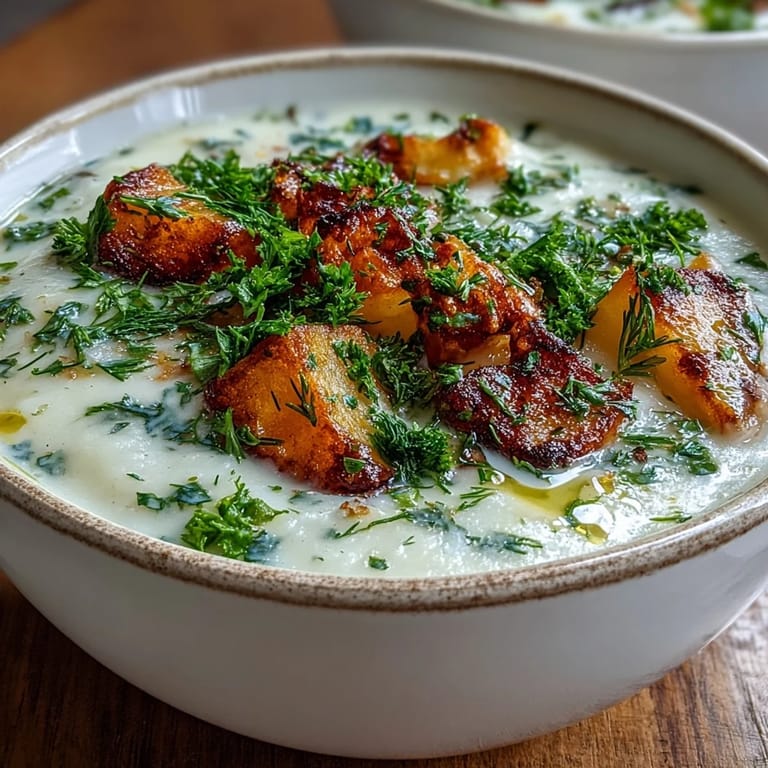
 There's something about roasting parsnips that transforms them entirely. Years ago, I accidentally left a tray in the oven longer than intended, and instead of being annoyed, I found myself drawn to the kitchen by the most incredible caramelized sweetness. That happy accident led me to this soup, which has become my go-to when autumn feels like it's slipping away and I need something that tastes like comfort without any fuss.
I made this for my sister on a grey Tuesday when she needed feeding after a rough day at work. Watching her pause mid-spoonful and actually smile was worth every bit of chopping. She now texts me pictures of parsnips at the market with a single emoji, which has become our inside joke.
Ingredients
- Parsnips, 800 g: These are the star, and roasting them brings out a natural sweetness that rivals root vegetables twice as fancy. Peel them just before cooking to prevent discoloration.
- Potato, 1 medium: This adds body and creaminess without needing heavy cream, which I learned after a few watery attempts.
- Onion and garlic, 1 medium and 2 cloves: The roasting mellows their intensity into something almost floral.
- Vegetable stock, 1 L: Quality matters here because it's the backbone of flavor, so taste yours first.
- Whole milk or plant-based milk, 200 ml: Added at the end to create silk without overwhelming the parsnip flavor.
- Olive oil, 2 tbsp: Use good oil for roasting and a drizzle at the end, it makes a real difference.
- Fresh herbs (parsley, chives, dill): These are not optional if you want the soup to sing. They should taste bright and alive when you stir them in.
- Bay leaf and thyme: Just enough to whisper warmth without shouting.
Tired of Takeout? 🥡
Get 10 meals you can make faster than delivery arrives. Seriously.
One email. No spam. Unsubscribe anytime.
Instructions
- Get your oven ready:
- Heat it to 200°C while you prep. This matters because you want it screaming hot when those parsnips hit the tray.
- Roast until golden:
- Toss your chopped parsnips, onion, and garlic cloves with olive oil, spread them on a baking tray, and roast for 25 to 30 minutes, turning halfway through. You'll know they're ready when the edges are caramelized and they smell absolutely incredible.
- Simmer the base:
- Transfer everything to a large saucepan with your diced potato, bay leaf, thyme, white pepper, and vegetable stock. Bring it to a boil, then turn the heat down and let it bubble gently for about 15 minutes until the potato is completely soft.
- Blend until smooth:
- Fish out the bay leaf and blend the soup until it's silky. If you're using an immersion blender, work in sections so you don't splash yourself, which I learned the embarrassing way.
- Finish with care:
- Return the soup to the pan, stir in your milk, and reheat gently without letting it boil. Add salt to your taste.
- Brighten with herbs:
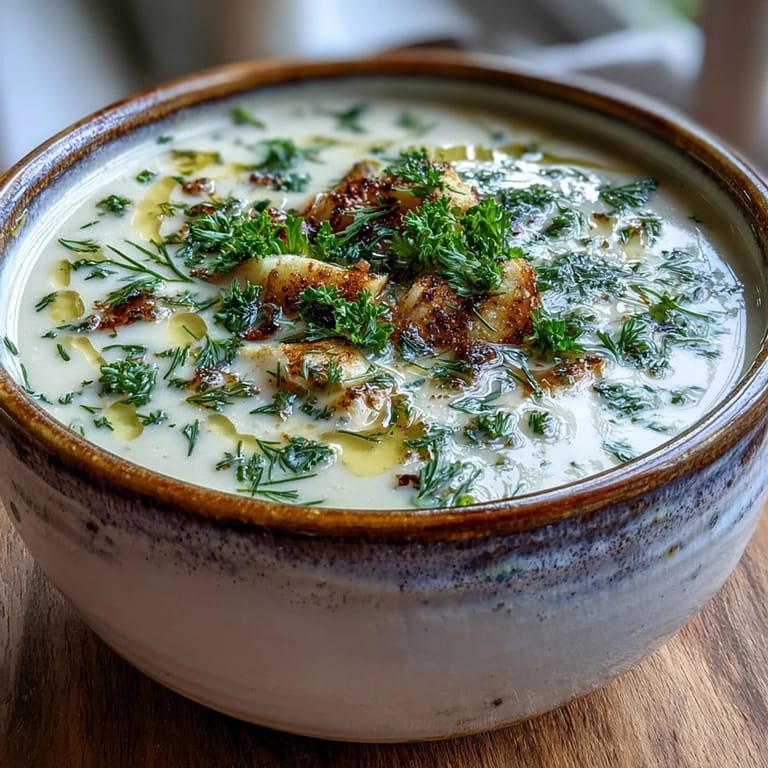
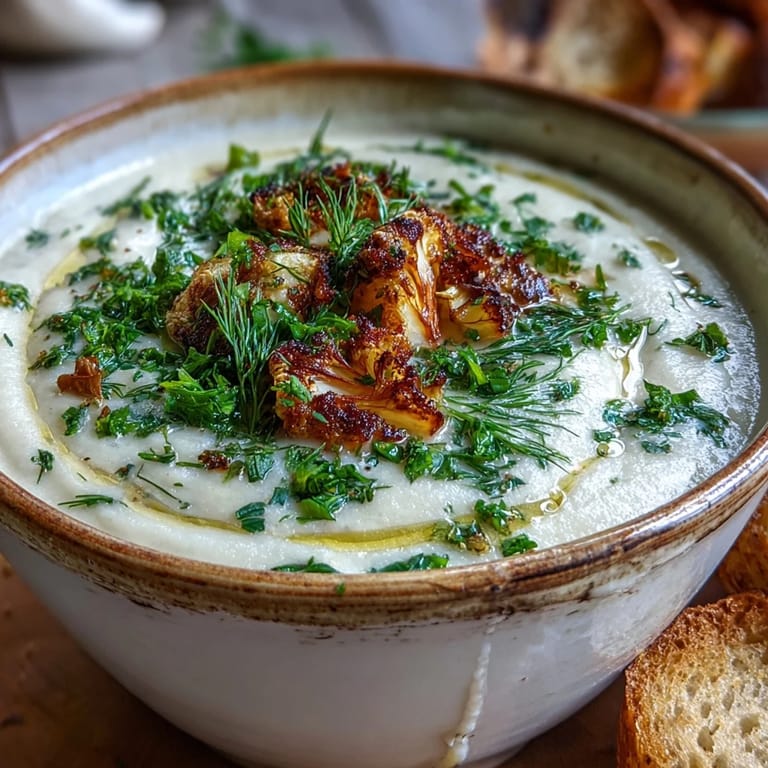
- Stir in all that fresh parsley, chives, and dill at the very end. Ladle into bowls and finish with a small drizzle of olive oil or cream if you're feeling it.
 Pin It
 The first time someone asked for seconds, I realized this soup had moved beyond just being practical. It became something I make when I want to show someone I've been thinking about them, quietly nourishing.
The Magic of Roasting
Roasting vegetables before making soup is not extra, it's essential. The heat caramelizes natural sugars and creates depth that you simply cannot get from boiling everything from the start. I used to think it was an unnecessary step, until I tasted the difference side by side and felt a bit foolish for doubting it.
Why Fresh Herbs Matter Here
A creamy soup without fresh herbs is like a song without a chorus. The herbs are what stop this from tasting heavy or one-note. They provide brightness and a subtle freshness that makes you want another spoonful even when you're already full.
Variations and Serving Ideas
This soup is flexible enough to adapt to what you have on hand and what season you're cooking in. Some days I add a tiny pinch of nutmeg for warmth, other times I stir in a splash of sherry for depth. It pairs beautifully with crusty bread torn into it, or eaten alone as a light lunch with just a side salad.
- A sprinkle of crispy fried onions or herb breadcrumbs adds texture if you want crunch.
- Try a touch of ground cumin or smoked paprika if you want to take it in a different direction entirely.
- Leftovers keep for three days and actually taste better the next day when flavors have settled together.
 Pin It
 This soup has taught me that the simplest ingredients, when treated with a little care and intention, can become something memorable. Make it for yourself first, then make it for someone you want to feed.
Recipe Questions & Answers
- → Can I make this soup ahead of time?
Yes, prepare up to 2 days in advance and refrigerate. Reheat gently over medium-low heat, stirring occasionally. Add a splash of water or stock if it thickens too much upon standing.
- → What herbs work best in this soup?
Fresh parsley and chives provide classic flavor, while dill adds a bright, slightly sweet note. Thyme during cooking adds earthiness. Feel free to substitute with tarragon or cilantro based on preference.
- → How do I achieve the smoothest texture?
Blend thoroughly in batches using a countertop blender or use an immersion blender directly in the pot. For extra silkiness, pass through a fine-mesh sieve after blending.
- → Can I freeze this soup?
Absolutely. Cool completely, then freeze in airtight containers for up to 3 months. Thaw overnight in the refrigerator before reheating. Note that the texture may be slightly thicker after freezing.
- → What makes this soup naturally sweet?
Roasting the parsnips caramelizes their natural sugars, creating a sweeter, more complex flavor profile than boiling alone. This method adds depth without needing additional sweeteners.
- → What pairs well with this soup?
Crusty bread, warm rolls, or a simple green salad complement this soup beautifully. For drinks, try a crisp Sauvignon Blanc, dry cider, or even a light-bodied ale.