 Pin It
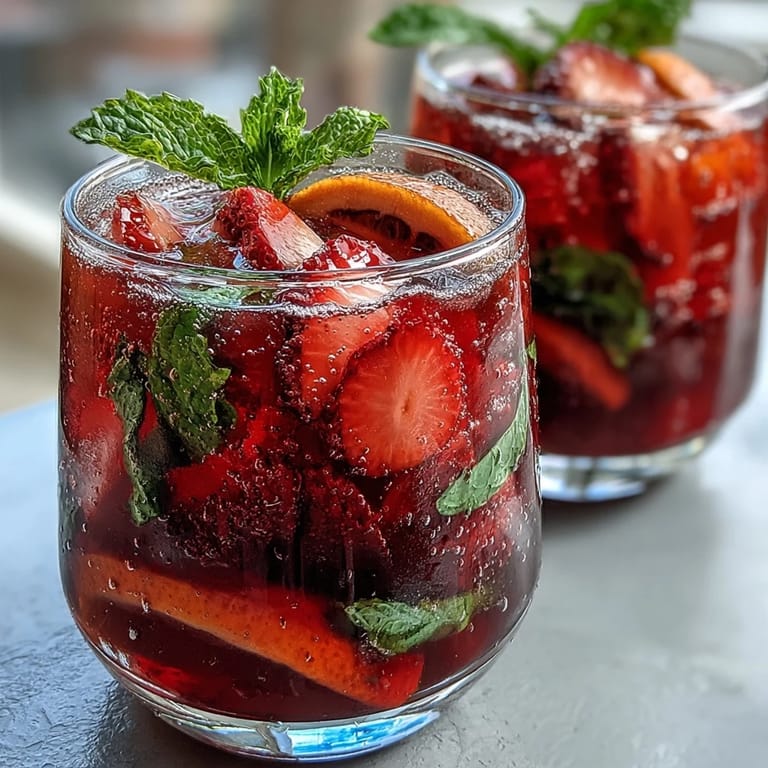
 There's something about the first warm afternoon of spring that makes you want to gather people around something refreshing and alive. My neighbor knocked on the door with an armful of just-picked strawberries, and I found myself squeezing citrus at the kitchen sink, the juice running down my wrists, thinking about how simple moments like this deserve a drink worthy of the occasion. This sangria mocktail was born from that afternoon—no alcohol needed, just the bright clarity of white grape juice, citrus, and herbs that taste like the season itself.
I served this at a potluck last spring where everyone was tired of the same old lemonade, and watching people take that first sip—the way their faces lit up when they tasted the depth of flavor from the citrus and herbs—that's when I knew this recipe had staying power. One guest asked if it was sangria and seemed almost disappointed when I said no alcohol, until she tasted it again and changed her mind.
Ingredients
- White grape juice: The foundation that brings natural sweetness and that beautiful pale golden color—chilled juice matters because cold makes everything taste cleaner and crisper.
- Fresh citrus (orange, lemon, lime): Thinly sliced so the oils release into the drink while the fruit itself becomes part of the experience, not just flavor.
- Green grapes: Halved so they release their juice slowly and give you a little burst of sweetness when you sip, they're the secret textural element that makes this feel less like juice and more like an event.
- Strawberries: Fresh and sliced, they soften slightly as they sit and add their delicate flavor without overpowering the more subtle citrus notes.
- Fresh mint: Torn or left whole, it keeps everything feeling bright and prevents the drink from tasting heavy or one-dimensional.
- Sparkling water or club soda: Added at the last moment so it stays bubbly and lively, not flat and sad by the time anyone drinks it.
- Agave syrup or honey: Optional but useful if your citrus was less juicy than expected or you prefer things sweeter—taste first, adjust second.
Tired of Takeout? 🥡
Get 10 meals you can make faster than delivery arrives. Seriously.
One email. No spam. Unsubscribe anytime.
Instructions
- Build your fruit foundation:
- Slice your citrus thin enough that you can see light through it, halve those grapes so they're ready to release their juice, and tear the mint just enough to wake it up. Toss everything into a large pitcher where it has room to breathe.
- Pour in the juices:
- Add the chilled white grape juice first, then the fresh orange and lemon juice you just squeezed. Stir gently—you're not trying to bruise the fruit, just coax the flavors to mingle.
- Taste and adjust:
- This is the moment to decide if you need that touch of sweetness. A tablespoon of agave stirred in makes all the difference if your lemons were extra tart.
- Let it chill:
- If you have time, refrigerate for an hour so the fruit properly steeps and the whole thing becomes greater than the sum of its parts. If you don't have time, move forward—it'll still be delicious.
- Finish just before serving:
- Add sparkling water and plenty of ice right when people are ready to drink, so you capture that vital fizz and the cold stays sharp. Stir one more time and pour.
- Garnish like you mean it:
- Fresh mint sprig and a thin citrus slice on the rim makes people feel cared for, even if it takes thirty seconds longer.
 Pin It
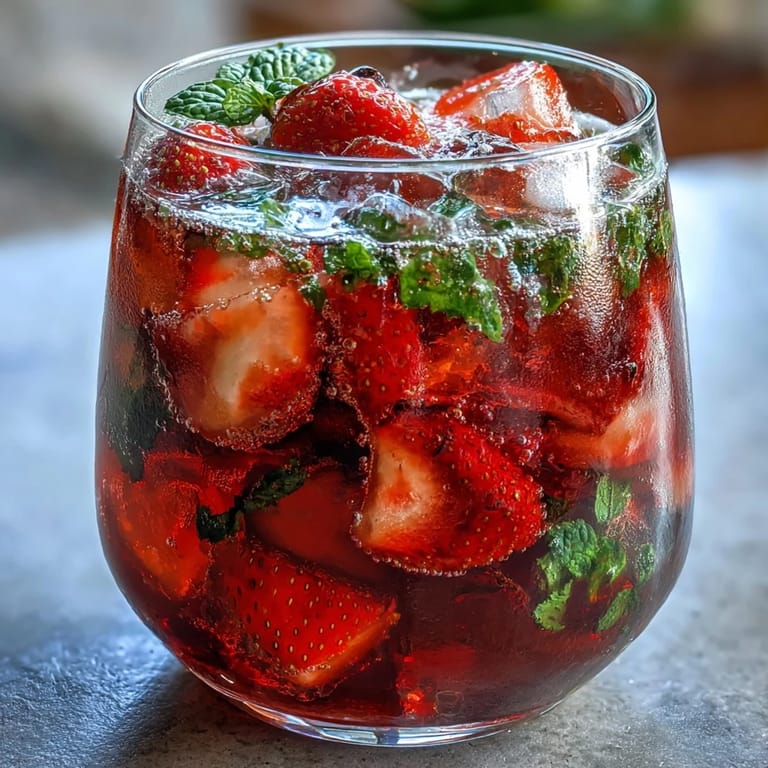
 There's a particular kind of magic in watching someone reach for a second glass of something you made, asking what's in it because it tastes so good. That's what this drink does—it becomes the centerpiece of a gathering without demanding attention, just offering itself generously to anyone who's thirsty.
Why Fresh Juice Matters Here
I learned this the hard way when I grabbed a bottle of lemon juice from the back of my pantry instead of squeezing fresh fruit. The drink tasted fine, technically correct, but it lacked that bright spark that makes people pause and really taste what they're drinking. Fresh citrus has these volatile aromatic compounds that fade within days—that's the difference between a beverage and an experience.
The Art of Fruit Slicing
Your knife matters more than you'd think when you're slicing citrus thin. A dull knife squeezes the fruit and wastes juice, while a sharp one glides through and lets the oils stay intact in the juice itself, not spread across your cutting board. I use a chef's knife kept specifically sharp, and the citrus slices come out looking almost translucent, which feels both practical and beautiful.
Customizing Without Losing Yourself
The formula here is flexible enough that you can play with it based on what you have or what sounds good. Peaches work beautifully if strawberries aren't in season, basil can replace some of the mint if you're feeling savory, and ginger ale swapped for sparkling water takes the whole thing in a warmer, spicier direction that still feels like spring. Just keep the white grape juice as your anchor so the drink stays balanced and doesn't become chaotic.
- Add a cinnamon stick during chilling to bring warmth and depth without making it taste like dessert.
- Taste the drink before you add any sweetener—sometimes the natural juice and fruit provide enough.
- Make a batch in the morning and let it chill while you're busy, then just add ice and sparkling water right before guests arrive.
 Pin It
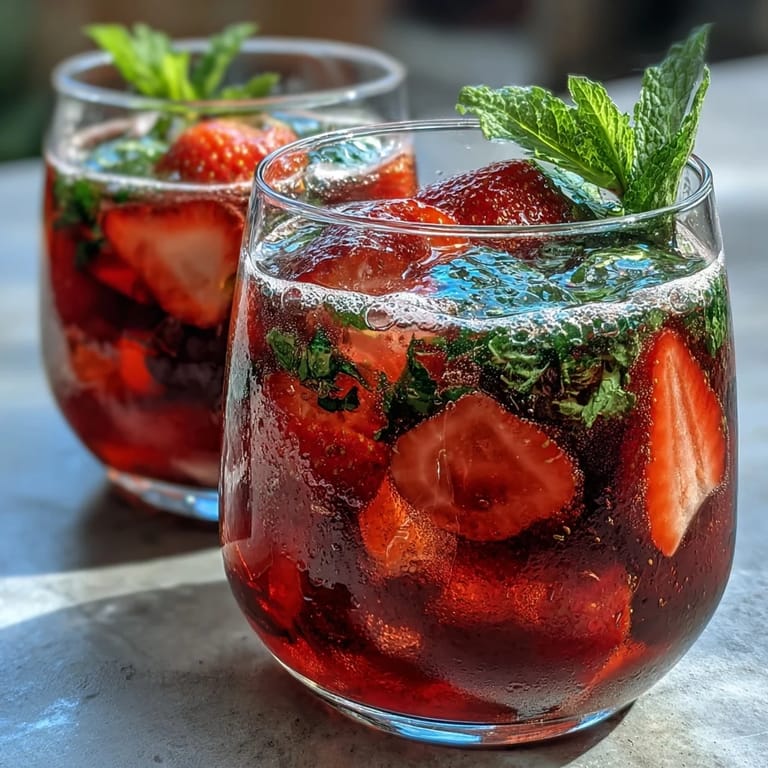
 This drink exists because some afternoons deserve something thoughtful and bright, something you can make in ten minutes that tastes like you spent hours on it. Serve it cold, serve it with people you want to linger with, and let it be the thing that makes the gathering feel like spring.
Recipe Questions & Answers
- → Can I use other fruits besides strawberries?
Yes, peaches or pineapple are great alternatives that complement the citrus and grape flavors well.
- → Is it necessary to chill the sangria before serving?
Chilling for at least an hour helps the flavors meld beautifully, enhancing the overall refreshing character.
- → What sparkling options can be used for the fizz?
Sparkling water, club soda, or even ginger ale can be used depending on desired sweetness and spice levels.
- → How can I adjust the sweetness of the drink?
Add agave syrup or honey to taste. For a sugar-free option, omit sweeteners and use unsweetened juices.
- → Can fresh herbs be substituted or omitted?
Fresh mint is preferred for its refreshing note, but basil or cinnamon sticks can be added for varied flavor profiles.