 Pin It
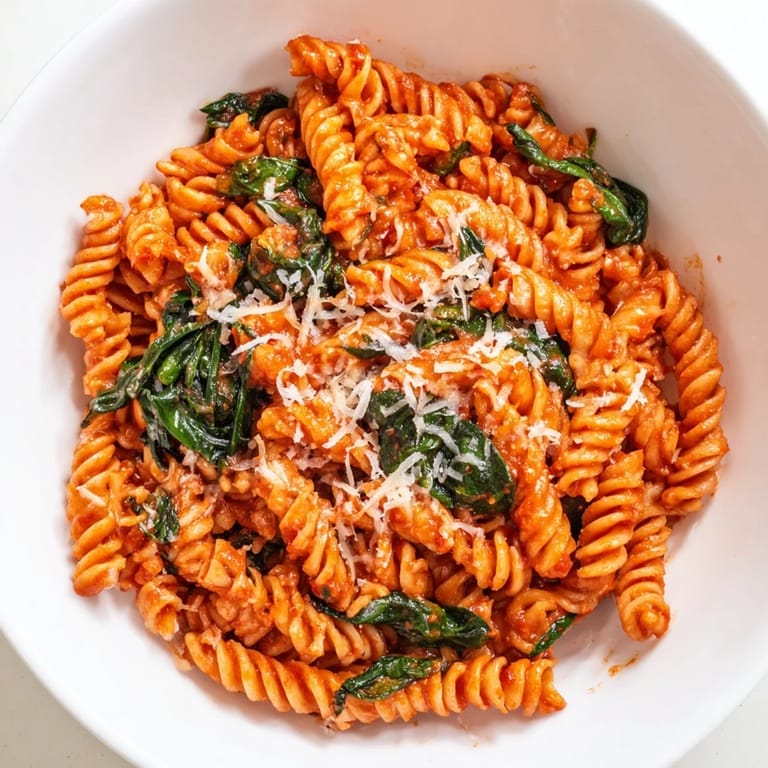
 The rain was pounding against my kitchen window last Tuesday when I realized I had zero energy for a multi-pot dinner situation. This rotini dish has saved me more times than I care to admit, especially on those nights when the sink is already full and the thought of washing another bowl makes me want to order takeout instead.
My friend Sarah dropped by unexpectedly while I was making this last month, and she stood in my doorway watching the steam rise off the pot. She kept asking what smelled so good, and when I told her it was just canned tomatoes and spinach, she looked at me like I was hiding some secret ingredient. Sometimes the simplest combinations are the ones that make people pause mid-conversation.
Ingredients
- 340 g (12 oz) rotini pasta: The twists and turns are perfect for holding onto all that flavorful broth in every single bite
- 400 g (14 oz) canned diced tomatoes: Do not drain the juices, because that liquid becomes part of the cooking liquid and adds incredible depth
- 100 g (3.5 oz) fresh baby spinach: Toss this in at the very end so it wilts just enough without turning into mush
- 1 medium onion, finely chopped: Take your time here and let it actually soften, because that sweetness builds the foundation
- 3 cloves garlic, minced: Add this right after the onion so it releases its aroma without burning
- 900 ml (4 cups) vegetable broth: This is what cooks the pasta, so use one you actually enjoy drinking on its own
- 2 tbsp olive oil: The base for sauteing your aromatics and adding richness
- 1 tsp dried oregano: Brings that classic Italian warmth even without fresh herbs
- 1/2 tsp dried basil: Works beautifully with the oregano for that familiar comfort flavor
- 1/4 tsp crushed red pepper flakes: Totally optional, but I love the gentle warmth it builds in the background
- Salt and black pepper: Taste at the end because the cheese and broth might already bring plenty of salt
- 40 g (1/2 cup) grated Parmesan cheese: Stir this in at the very end for creaminess, and keep extra handy for topping
Tired of Takeout? 🥡
Get 10 meals you can make faster than delivery arrives. Seriously.
One email. No spam. Unsubscribe anytime.
Instructions
- Get your aromatics started:
- Heat olive oil in a large pot over medium heat, add the chopped onion, and let it soften for 3 to 4 minutes until it is translucent and fragrant. Stir in the garlic and cook for just 1 minute until you can smell it, watching carefully so it does not brown or turn bitter.
- Build the sauce base:
- Pour in the diced tomatoes with all their juices, then add the vegetable broth, oregano, basil, red pepper flakes if you are using them, and your salt and pepper. Stir everything together and let it come to a gentle boil, which should only take a few minutes.
- Cook the pasta right in the pot:
- Add the uncooked rotini directly into the boiling liquid and stir well to prevent sticking. Reduce the heat to medium-low and let it simmer uncovered for 10 to 12 minutes, stirring occasionally so nothing catches on the bottom, until the pasta is al dente and most of the liquid has been absorbed.
- Add the spinach and finish:
- Stir in the fresh spinach and cook for 1 to 2 minutes just until it wilts down into the pasta. If you are using Parmesan, add it now and stir until it melts into a creamy sauce. Taste and adjust your seasoning, then serve hot with extra cheese on top if you like.
 Pin It
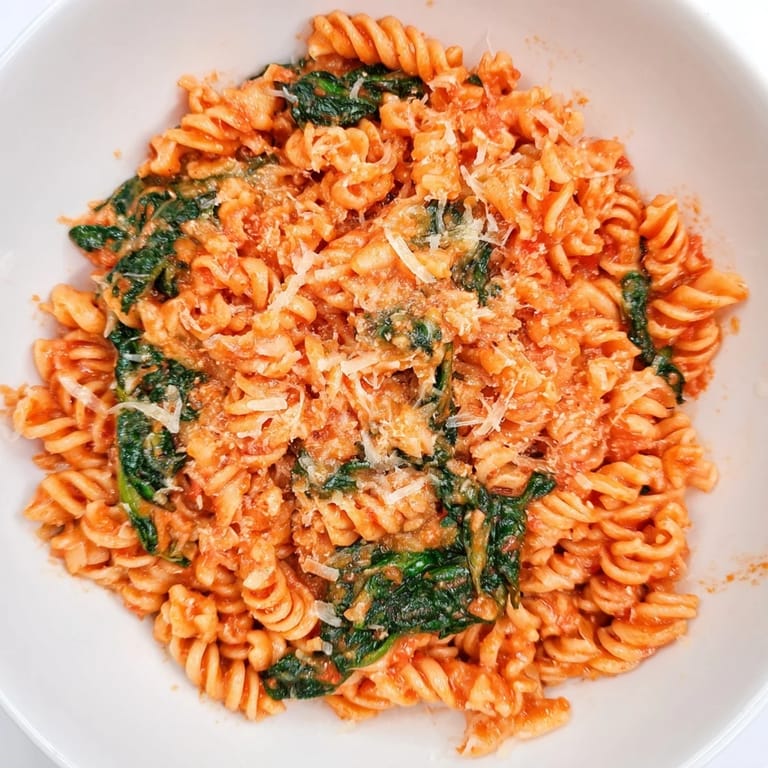
 This recipe became my go-to during those endless months when cooking felt like a chore rather than a joy. There is something deeply satisfying about watching a handful of random ingredients transform into something that makes the house smell like an Italian grandmother has been cooking all day.
Making It Your Own
I have played around with this base more times than I can count, and the variations are what keep it interesting week after week. Sometimes I add a can of chickpeas when I want something more substantial, especially for lunch the next day. Other times I toss in some chopped sun-dried tomatoes for extra intensity. The recipe is forgiving enough that you can experiment without worrying about ruining dinner.
Pasta Shape Swaps
While rotini is my default because those spirals trap sauce beautifully, I have used penne, fusilli, and even small shells with great success. Just keep in mind that different shapes might need slightly different cooking times, so start checking a minute or two early if you switch things up. Larger pasta shapes might need an extra splash of liquid, while smaller ones could absorb everything faster than you expect.
Serving Suggestions
A simple green salad with a bright vinaigrette cuts through the richness and makes the meal feel complete without much effort. Crusty bread is always welcome for soaking up any remaining sauce in the bowl. If you are feeding a crowd or want to stretch this further, a roasted vegetable side dish works beautifully and keeps everything vegetarian.
- This reheats surprisingly well for lunch the next day, though you might need to add a splash of water when warming it up
- If you are meal prepping, slightly undercook the pasta since it will continue softening in the fridge
- The red pepper flakes mellow out overnight, so add an extra pinch if you plan on eating leftovers
 Pin It
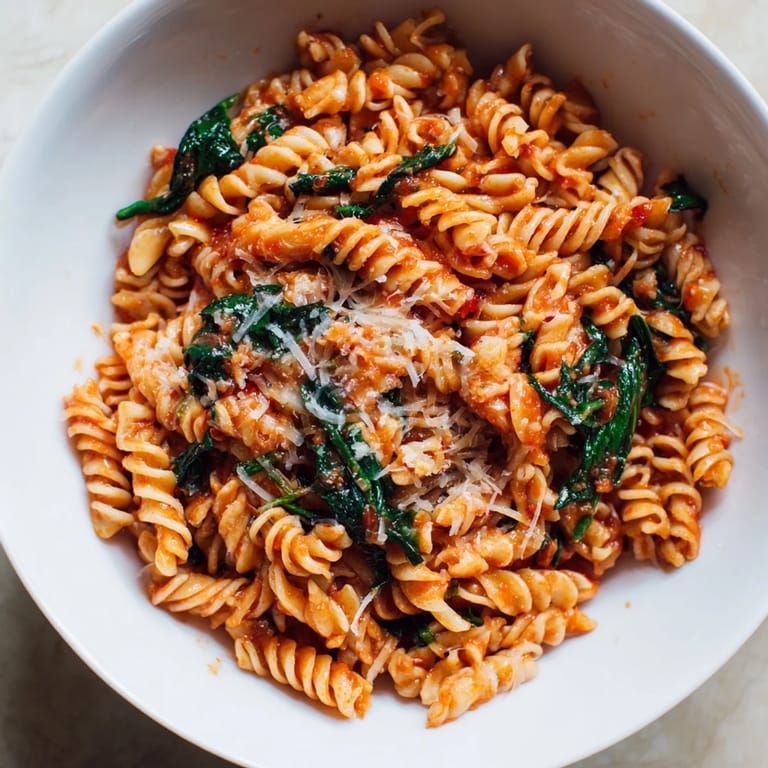
 There is a quiet confidence that comes from knowing you can put something this comforting on the table with minimal effort and maximum flavor.
Recipe Questions & Answers
- → Can I use fresh tomatoes instead of canned?
Yes, fresh tomatoes work wonderfully. Use about 500g of fresh tomatoes, diced and chopped. However, you may need to add an extra 100-150ml of broth since fresh tomatoes release less liquid than canned versions. Adjust the seasoning to taste.
- → How do I prevent the pasta from becoming mushy?
The key is stirring occasionally and checking the pasta at the 10-minute mark. Since the pasta cooks directly in the broth rather than boiling water, it absorbs liquid gradually. Stop cooking as soon as it reaches al dente texture—it will continue softening slightly from residual heat.
- → What can I substitute for vegetable broth?
Chicken broth works excellently for added depth. You can also use water with a vegetable bouillon cube or mushroom broth for an earthier flavor. Avoid using only water, as broth provides essential seasoning and body to the dish.
- → How do I make this vegan-friendly?
Simply omit the Parmesan cheese or replace it with nutritional yeast or vegan cheese alternatives. Ensure your vegetable broth is certified vegan. Consider adding cooked chickpeas or white beans for additional protein to balance the dish.
- → Can I prepare this ahead of time?
This dish is best enjoyed fresh, but leftovers store well in an airtight container for up to three days. Reheat gently on the stovetop with a splash of broth or water, as the pasta continues absorbing liquid when stored. You can also prep ingredients in advance and cook when ready.
- → What pasta shapes work best as alternatives?
Penne, fusilli, or rigatoni are excellent substitutes with similar cooking times. Avoid very long pasta like spaghetti, which can break during stirring. Medium-sized shapes hold sauce beautifully and cook evenly in one-pot preparations.