 Pin It
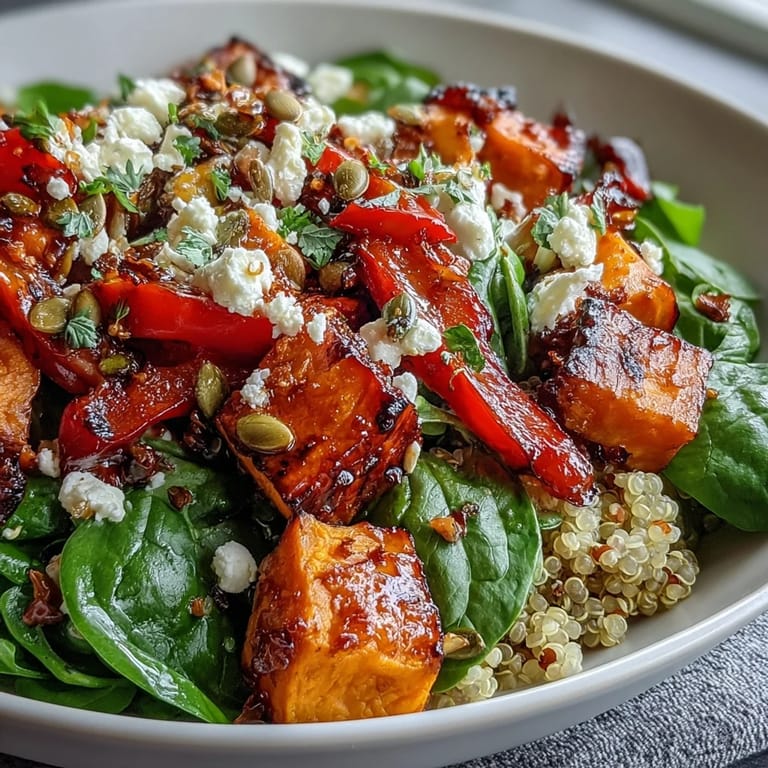
 There's something about a warm salad that feels like a small act of kindness toward yourself, especially on those days when you want something nourishing but not heavy. I discovered this bowl format on a gray Tuesday afternoon, standing in my kitchen with half-wilted spinach and leftover roasted vegetables, thinking there had to be a better way to eat them than separately. The magic happens when warm grains meet soft greens and a gentle vinaigrette—everything comes together in a way that feels intentional, not just thrown together.
I made this for my friend Maya one rainy Saturday, and she actually said the words nobody ever expects about a salad: she asked for the recipe before finishing the bowl. Watching her discover that you could eat something this light and still feel genuinely satisfied afterward was the real win—suddenly this became our go-to when we wanted to feel good without the afternoon crash.
Ingredients
- Quinoa or brown rice (1 cup, rinsed): These are your anchor—they stay warm longest and actually absorb the vinaigrette flavor, so don't skip the rinsing step for quinoa as it removes bitterness.
- Water or vegetable broth (2 cups): Broth adds subtle depth that plain water doesn't, and it makes the whole bowl feel more intentional.
- Sweet potato (1 medium, peeled and cubed): The sweetness balances the vinaigrette's tang, and it becomes almost creamy as it roasts.
- Red bell pepper (1, cut into strips): This stays bright and slightly snappy even after roasting, which provides texture contrast.
- Red onion (1 small, sliced): It softens beautifully in the heat and adds a gentle sweetness instead of sharp bite.
- Zucchini (1 small, sliced): It wilts into everything without disappearing, creating a cohesive bite.
- Olive oil (2 tablespoons for roasting plus 3 for vinaigrette): The quality matters here since it's tasted directly—invest in something you actually enjoy.
- Smoked paprika (1 teaspoon): This is what makes people ask what spice you used—it's the difference between vegetables and a moment.
- Baby spinach or kale (4 cups, stems removed): Kale holds the warmth better and becomes silkier, while spinach is more delicate and wilts quickly.
- Apple cider vinegar (1 tablespoon): The acidity wakes everything up—it's sharper than white vinegar and plays beautifully with warm grains.
- Dijon mustard (1 teaspoon): This acts as an emulsifier and adds a sophisticated whisper, not a shout.
- Honey or maple syrup (1 teaspoon): Just enough to round out the edges and balance the acidity.
- Garlic (1 small clove, minced): Gently warmed in the vinaigrette, it becomes mellow and approachable.
- Feta or goat cheese, pumpkin seeds, fresh herbs (optional toppings): These aren't necessary but they're where you add your personality and what makes you want to eat it again tomorrow.
Tired of Takeout? 🥡
Get 10 meals you can make faster than delivery arrives. Seriously.
One email. No spam. Unsubscribe anytime.
Instructions
- Heat your oven and prepare:
- Preheat to 425°F and line your baking sheet with parchment paper—this is your investment in easy cleanup and even roasting. The parchment prevents sticking and helps vegetables caramelize instead of steam.
- Season and roast the vegetables:
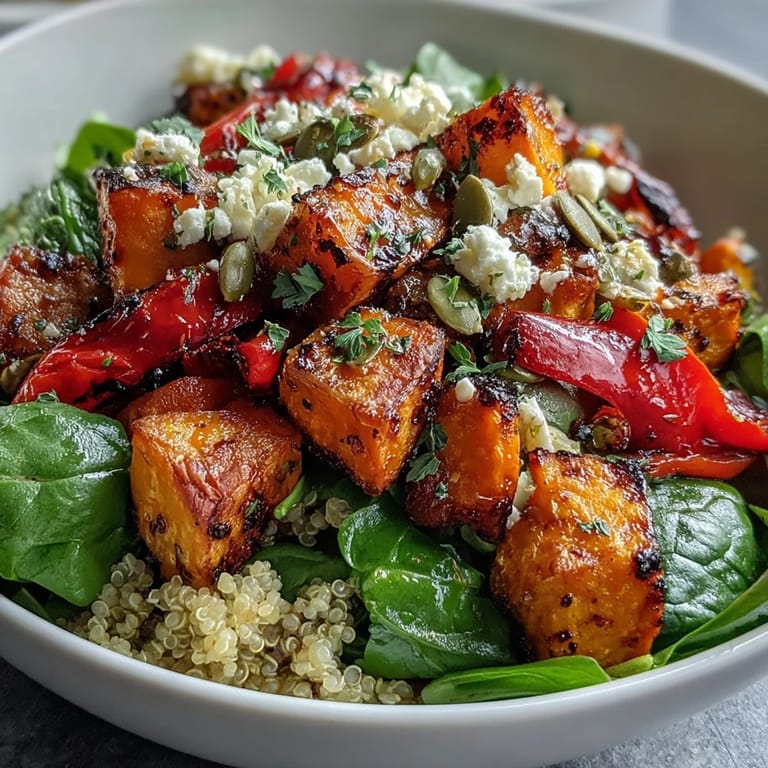
- Toss your sweet potato, bell pepper, onion, and zucchini with olive oil, smoked paprika, salt, and pepper, spreading them in a single layer. Roast for 25–30 minutes, stirring halfway through, until the edges are golden and caramelized—you're looking for that textural contrast between crispy edges and tender centers.
- Cook your grains while vegetables roast:
- Combine rinsed quinoa or brown rice with water or broth in a saucepan, bring to a boil, then reduce heat to low, cover, and cook for 15–20 minutes for quinoa or according to package directions for rice. You'll know it's ready when the liquid is absorbed and the grains look fluffy when fluffed with a fork.
- Warm your vinaigrette gently:
- In a small pan over low heat, whisk together olive oil, apple cider vinegar, Dijon mustard, honey, minced garlic, salt, and pepper for just 1–2 minutes—you want it warm enough to wilt greens, not hot enough to cook them. The warmth should feel like it's just waking up the ingredients, not transforming them.
- Wilt the greens with half the vinaigrette:
- In a large bowl, toss your spinach or kale with half the warm vinaigrette and watch as it softens and becomes silky—this is actually a moment worth pausing for, as the greens become something else entirely. The other half stays warm for drizzling at the end.
- Assemble your bowls with intention:
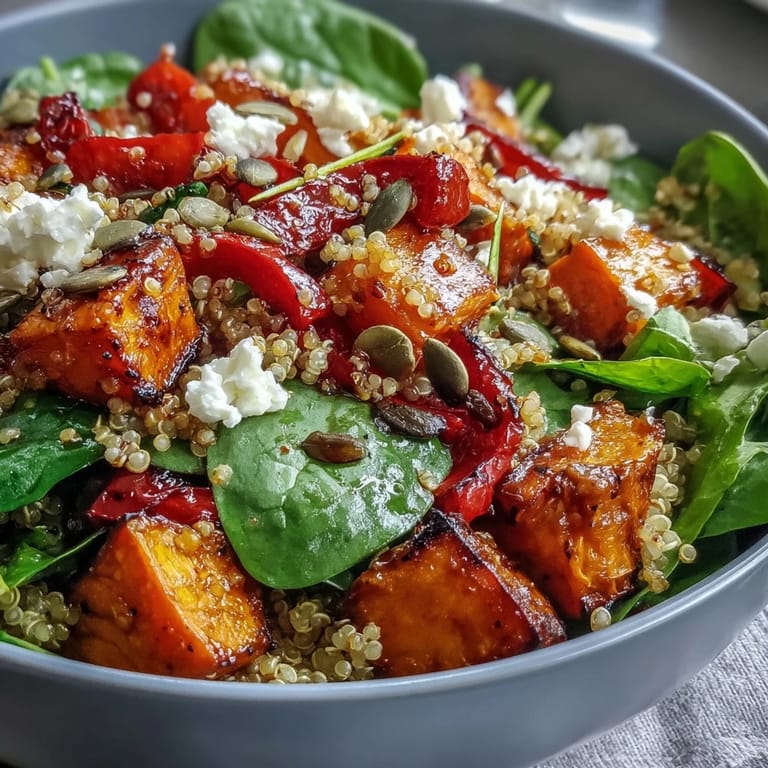
- Divide grains among four bowls as your base, top with wilted greens, add your roasted vegetables, sprinkle optional toppings if using, and finish with a drizzle of remaining warm vinaigrette. Serve immediately while everything is still warm and the flavors are singing together.
 Pin It
 There was this moment with my partner when we were eating this together in near silence, and they looked up and just said it felt like the bowl was actually listening to what our bodies needed that day. That's when I knew this wasn't just a recipe but something that could become a regular part of how we take care of ourselves.
Why Warm Salads Actually Work
Warm salads seem like they shouldn't work—there's an understanding in cooking that greens belong cold, crisp, defended from heat—but there's something deeply satisfying about the way a warm bowl behaves. The vinaigrette coats everything evenly instead of pooling at the bottom, the grains stay tender longer, and your body actually absorbs the nutrients more readily when food is warm. I've noticed you eat more slowly with a warm salad, you actually taste each component instead of rushing through it.
Making It Your Own
This bowl is genuinely a template more than a strict recipe, which is why it's become such a friend in my kitchen. Some weeks I use farro instead of quinoa when I want something chewier, other times I add roasted chickpeas if I'm hungry enough to need the protein. The vegetables change with seasons—in summer I add roasted eggplant, in spring I've tried tender asparagus, and come fall, Brussels sprouts become the star.
Storage and Make-Ahead Secrets
I've learned that the components like this best when they're separate until the moment you eat—grains in one container, roasted vegetables in another, greens raw in a third, and vinaigrette in a small jar. This way everything stays at its best texture and temperature, and assembly becomes a quick two-minute moment instead of something that feels like work. If you must store assembled bowls, do it without the greens and vinaigrette, adding those just before eating.
- Grains and roasted vegetables keep beautifully for 3–4 days in the fridge, making weekday lunches nearly effortless.
- Make the vinaigrette fresh each time—it takes literally two minutes and tastes incomparably better than something that's been sitting.
- Raw greens separate from everything else means they're still crisp when you're ready to eat, which changes how the whole bowl feels in your mouth.
 Pin It
 This bowl has become my answer to the question of how to eat well without it feeling like punishment or sacrifice. It's genuine food that nourishes, and somehow, it always reminds me that simple can still be extraordinary.
Recipe Questions & Answers
- → Can I make this bowl ahead of time?
Yes, prepare grains and roasted vegetables up to 3 days in advance. Store separately in airtight containers. Reheat vegetables and grains before assembling, then toss with fresh vinaigrette and greens.
- → What other grains work well?
Farro, millet, bulgur, or wheat berries make excellent substitutes. Adjust cooking liquid and time according to package instructions. Each grain brings slightly different texture and nuttiness.
- → How can I add more protein?
Roasted chickpeas, baked tofu, grilled chicken, or poached eggs complement the bowl beautifully. You could also serve with warm lentils or incorporate protein-rich grains like farro.
- → Can the vinaigrette be made cold?
The vinaigrette works at room temperature too, though warming it helps wilt the greens and enhances flavor absorption. Whisk all ingredients together without heating if preferred.
- → Which vegetables roast best together?
Root vegetables like carrots, beets, and parsnips pair well. Brussels sprouts, cauliflower, and butternut squash also roast beautifully. Cut pieces uniformly for even cooking.